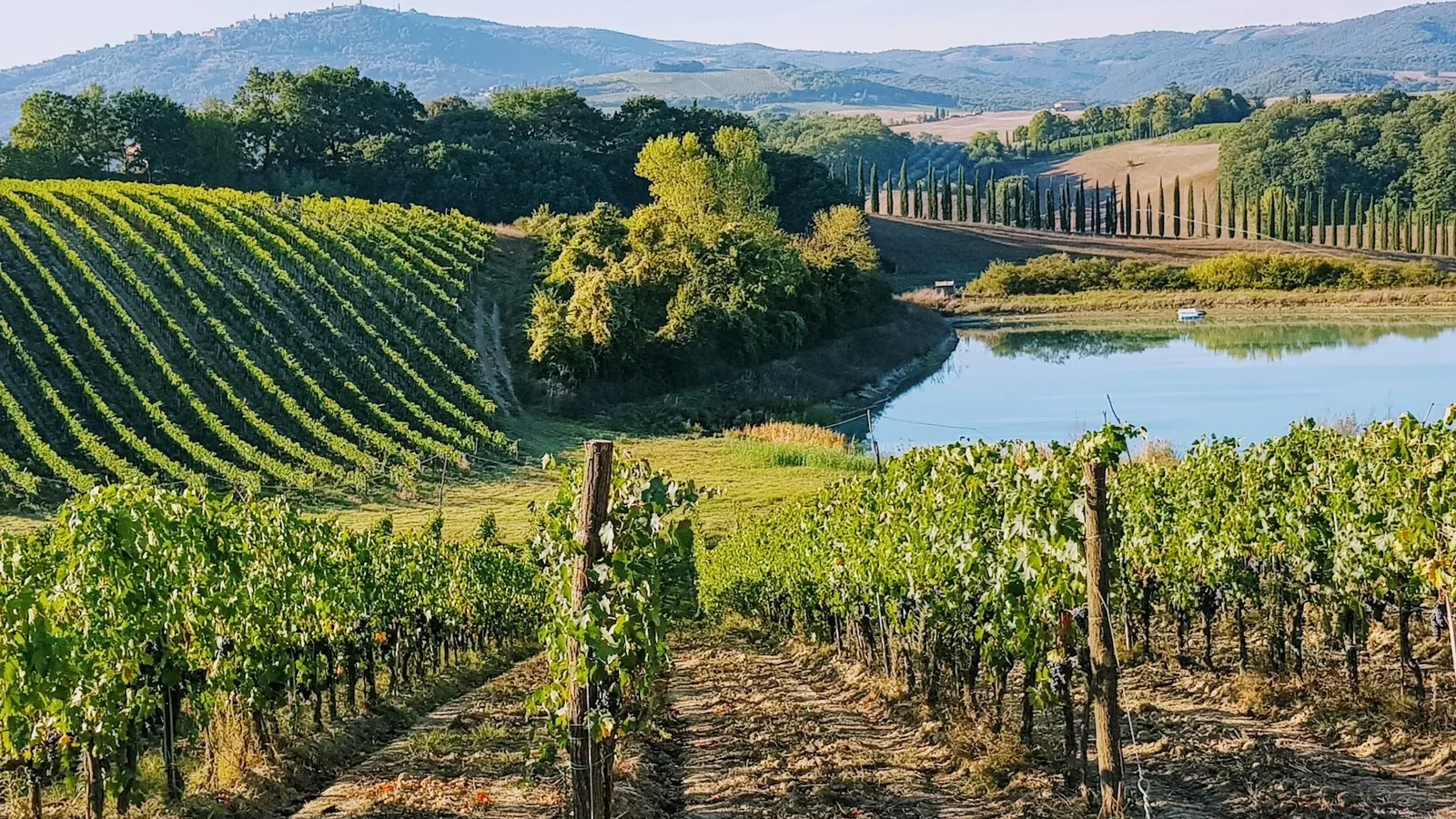
Amador is a small county with a narrow specialty, and this Amador County wine region guide treats it that way. It sits inside the much larger Sierra Foothills appellation, roughly forty miles east of Sacramento, and almost everything planted there is red. What Amador does that nowhere else in California quite matches is old Zinfandel, standing on its own roots, in granite.
Almost all of it is in one valley
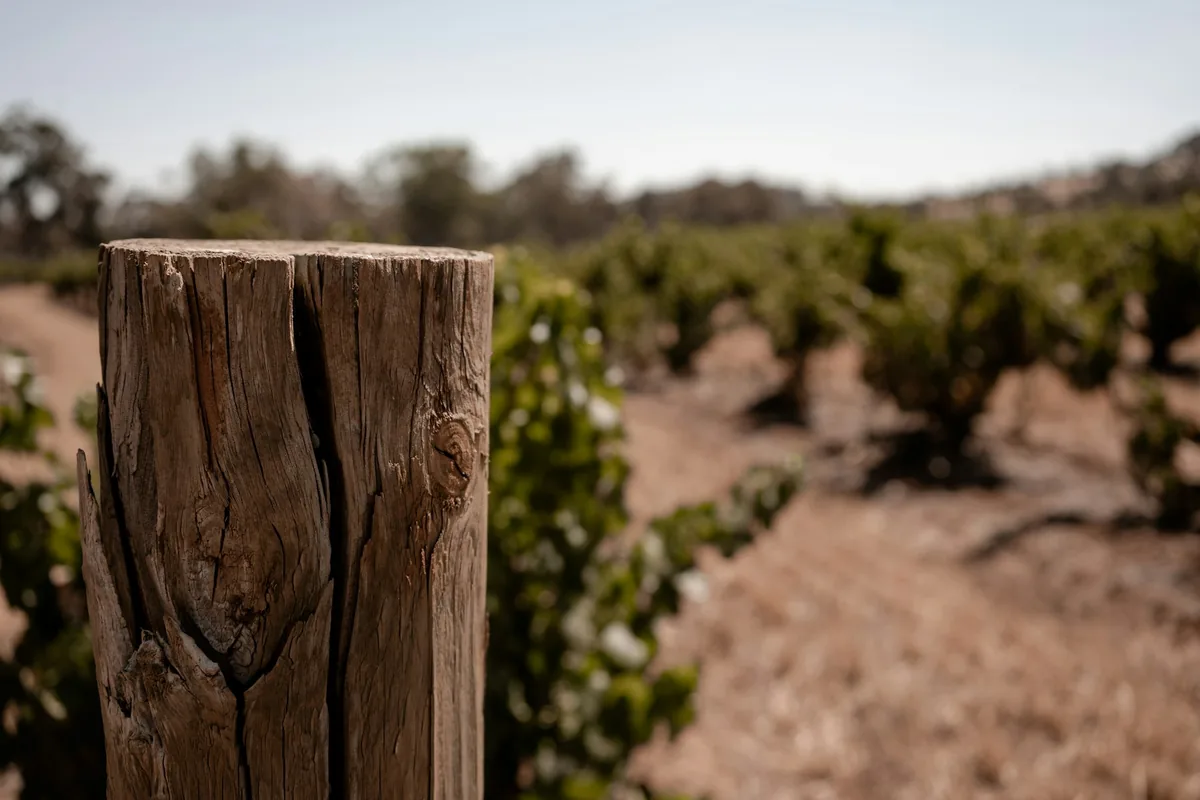
The county’s vineyards are not spread evenly. A December 2017 club post recorded that the majority of Amador’s roughly 3,700 vine acres and forty wineries sat in the northern part of the county, in the Shenandoah Valley near the small town of Plymouth.
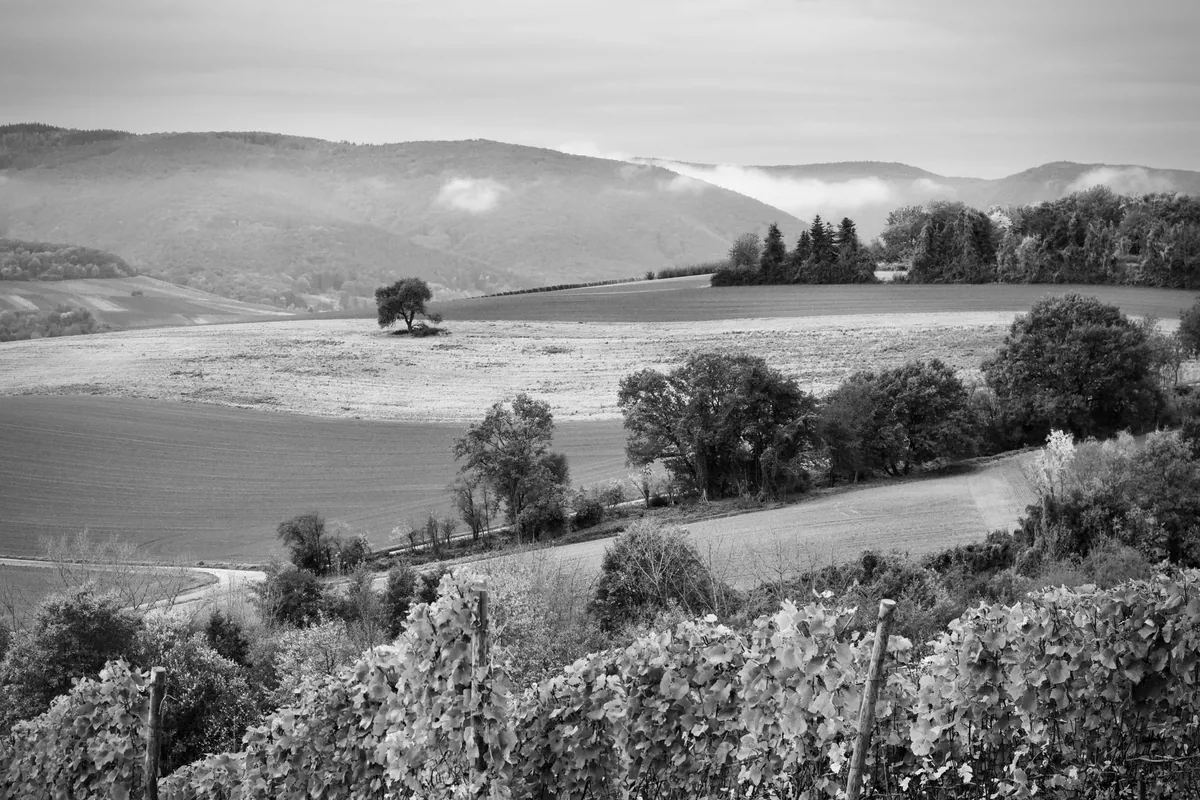
That same post described the planting there precisely: rolling, oak-studded hillsides between about 1,200 and 2,000 feet. It is not a valley in the sense of a flat floor between two ranges, but a shallow basin of low ridges.
The appellation covering it is the California Shenandoah Valley, approved in December 1982. It is small — on the order of 10,000 acres, with perhaps a fifth of that planted — and about ninety-five percent of it lies in Amador, with the remainder crossing into El Dorado County.
What old vine means in an Amador County wine region guide
The phrase is used loosely almost everywhere. In Amador it has a paper trail: an 1869 land deed records grapevines already growing on a ten-acre parcel northeast of Plymouth, which is the basis for the claim that the county holds the oldest documented Zinfandel planting in the state.
Several hundred acres across the county are at least sixty years old, and a handful of sites are considerably older than that. Those vines are typically head-trained, dry-farmed and ungrafted, which is the part that matters to the wine.
Why they are still standing
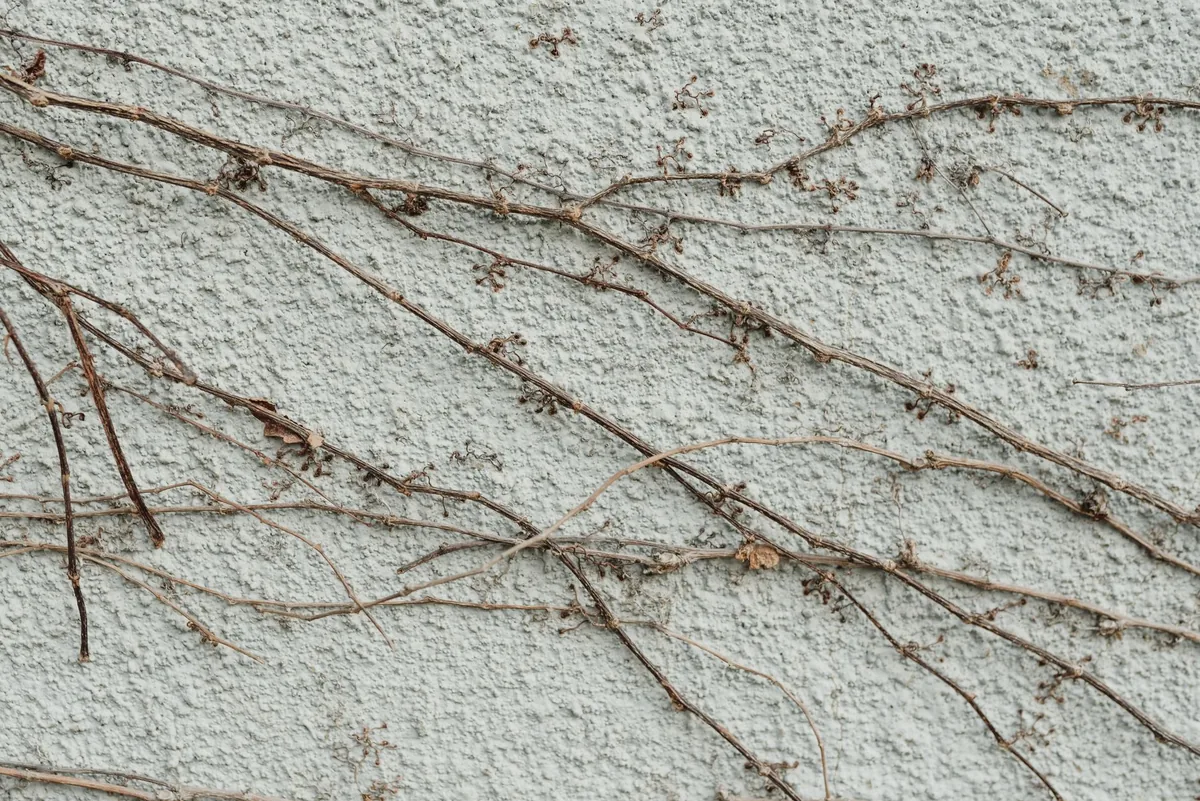
Two accidents kept them. The first is soil: the oldest plantings sit on sandy, finely decomposed granite, and phylloxera cannot build damaging populations in ground that loose, so the vines never needed grafting onto American rootstock.
The second is Prohibition, which in California did less damage to old vineyards than people assume. Home winemaking remained legal within limits, buyers arrived by truck with empty boxes, and Amador fruit went east by rail to households making their own wine.
An ungrafted vine of that age produces very little — often a ton or two per acre — but it produces it with a consistency that young vines cannot. That is the entire argument for old-vine fruit, and it is an argument about yield and root depth rather than romance.
The 1968 bottle that restarted the county
Amador spent most of the twentieth century selling grapes rather than making wine. That changed when a Sacramento grocer, Darrell Corti, pressed Sutter Home’s Bob Trinchero to try Zinfandel from century-old vines at the Deaver Ranch in the Shenandoah Valley.
The resulting 1968 bottling carried the Amador name and drew serious attention, and within a decade the county had a wine industry again. Nearly every producer working there now traces back to that opening.
Zinfandel first, then Barbera and the Rhônes
Zinfandel is the county’s default, and in the Shenandoah Valley it ripens to real weight: dark, brambly, peppery, high in alcohol and held together by the nightly temperature crash off the mountains. It is the opposite of a delicate wine and it does not pretend otherwise.
The numbers behind that are worth stating. Summer afternoons in the Shenandoah Valley run hot enough to ripen almost anything, and the fall after dark commonly reaches thirty degrees or more, which is what keeps the acid in a grape that ripens as quickly as Zinfandel does.
Barbera is the strongest supporting case. A May 2018 club post described a producer whose non-Rhône wines were built from the varieties that had traditionally worked best in Amador — ancient and old-vine Zinfandel, Barbera, Cabernet Sauvignon and Sauvignon Blanc.
Rhône varieties arrived later and stuck. A July 2011 profile noted that one Amador estate had been part of a wave of wineries founded in the Foothills during the 1980s, specializing in Rhône grapes alongside the Zinfandel and Barbera already traditional there since the Gold Rush.
Italian varieties beyond Barbera do well enough that growers elsewhere buy Amador fruit. A July 2012 profile of a Lake County producer recorded a decision to source Sangiovese from Amador rather than locally, on the straightforward grounds that the fruit was better.
The county’s two appellations
Amador contains two named appellations, and they are not interchangeable. Fiddletown sits higher and colder than the Shenandoah Valley, takes noticeably more rain, and is planted to a fraction of the acreage.
| Trait | California Shenandoah Valley | Fiddletown |
|---|---|---|
| Approved | December 1982 | October 1983 |
| Appellation size | About 10,000 acres | About 11,500 acres |
| Planted acreage | Around 2,000 acres | Around 300 acres |
| Vineyard elevation | About 1,200 to 2,000 feet | About 1,500 to 2,500 feet |
| Annual rainfall | Lower, and among the warmest sites in the Foothills | Roughly 30 to 40 inches, with colder nights |
| Emphasis | Zinfandel above everything, then Barbera | Syrah and Rhône varieties, Barbera, Zinfandel |
Gold country, and why it matters to the vines
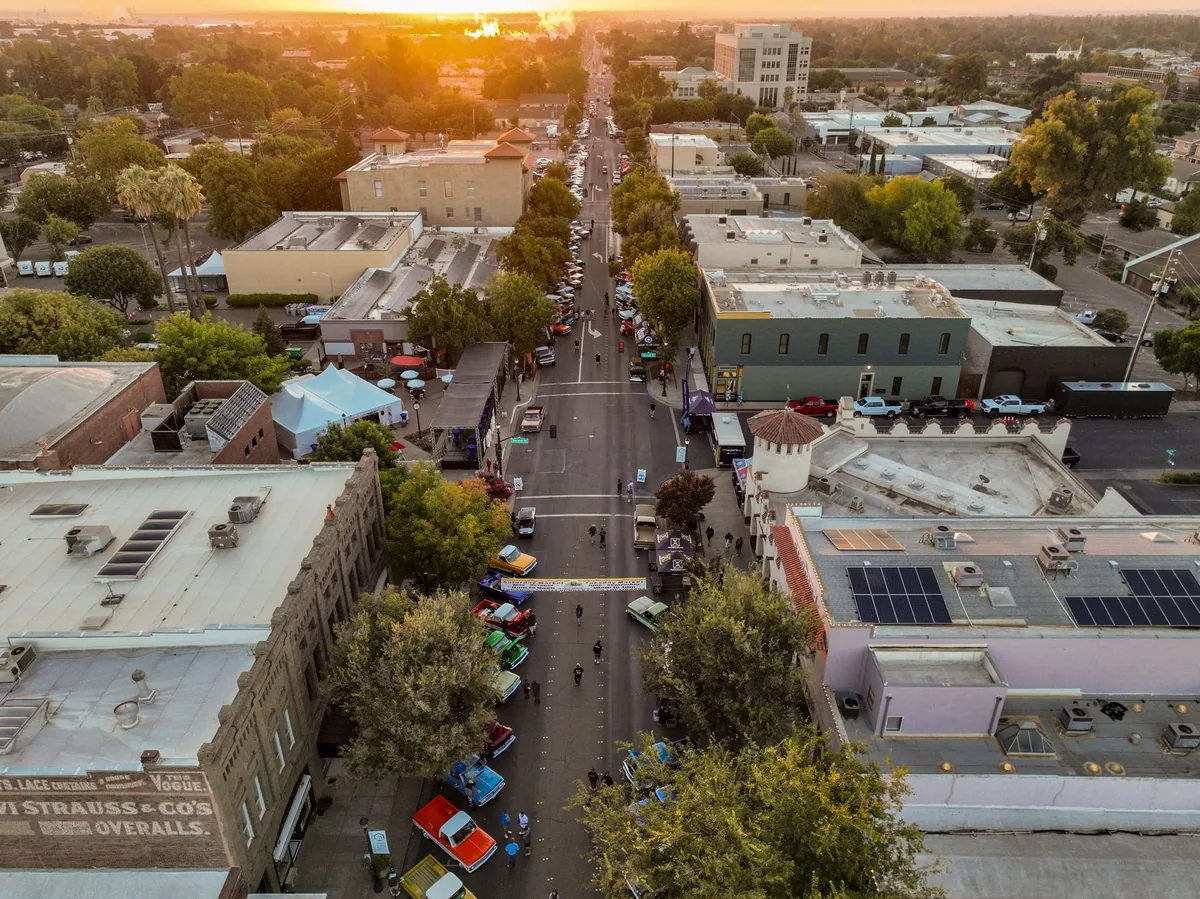
Amador lies on the Mother Lode, the gold belt that runs about 150 miles through the Sierra Nevada foothills from Mariposa north through Tuolumne, Calaveras, Amador, El Dorado, Placer and Nevada counties. Amador City is a designated state historic landmark, and Sutter Creek and Plymouth are the same vintage of town.
This is not decoration. The mining camps created a local market for wine in the 1850s, the households that supplied it planted the vines, and those households stayed after the gold ran out.
Choosing and pairing Amador reds
Read the appellation before the producer. A wine labeled California Shenandoah Valley is telling you it came from the warm heart of the county, while one labeled only Sierra Foothills could be from any of eight counties.
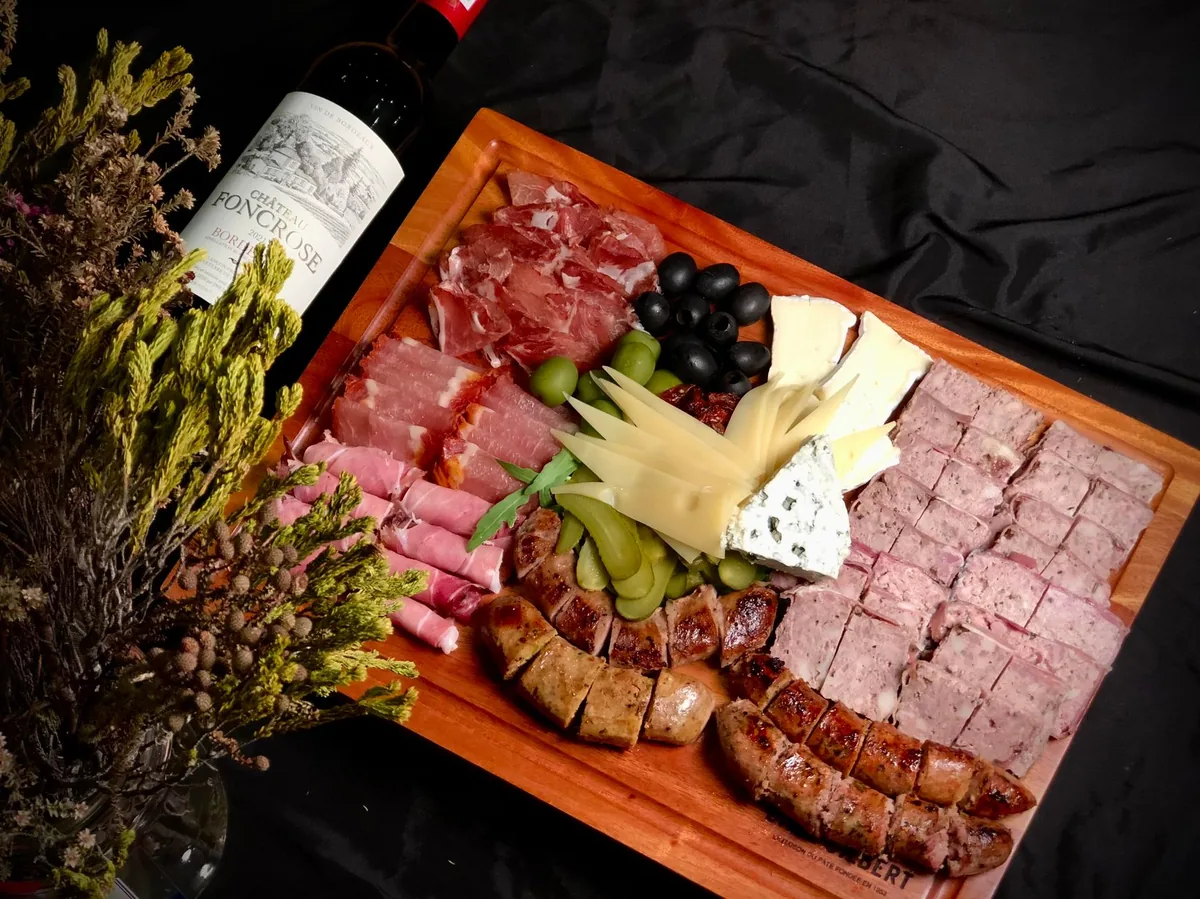
These wines want fat, salt and smoke rather than subtlety. The club’s own notes made the same point plainly, recommending grilled sausages or charcuterie alongside a Shenandoah Valley Barbera.
Amador County FAQ
Is Amador the same as the Sierra Foothills?
No. Amador is one county inside that appellation, which spans eight of them. The Sierra Foothills guide covers the wider region and its elevation ladder.
How does Amador Zinfandel differ from Lodi Zinfandel?
Both are old-vine strongholds, but the mechanisms differ. Lodi sits on sand at sea level and is cooled by Delta air, giving a rounder, softer style; Amador ripens on granite at altitude and finishes firmer and more peppery.
What does dry-farmed mean here?
It means the vineyard is not irrigated and lives on winter rainfall stored in the soil. Deep roots make it possible, which is why the practice is associated with old vines rather than new plantings.
Does Amador Zinfandel age?
The better bottlings do, though not the way a Bordeaux variety does. Old-vine wine from the Shenandoah Valley will usually hold its shape for a decade, trading primary fruit for pepper and dried herb as it goes.
Where the county fits
Amador is not a region that rewards breadth. It is a single valley doing one thing at a high level, with a real documentary record behind the vines and a granite subsoil that explains most of what is in the glass.
The wider guide to California’s wine regions places it among the state’s other appellations, and the archive of California winery profiles from 2010 to 2019 holds several first-hand visits to Amador producers written while the club was still shipping.