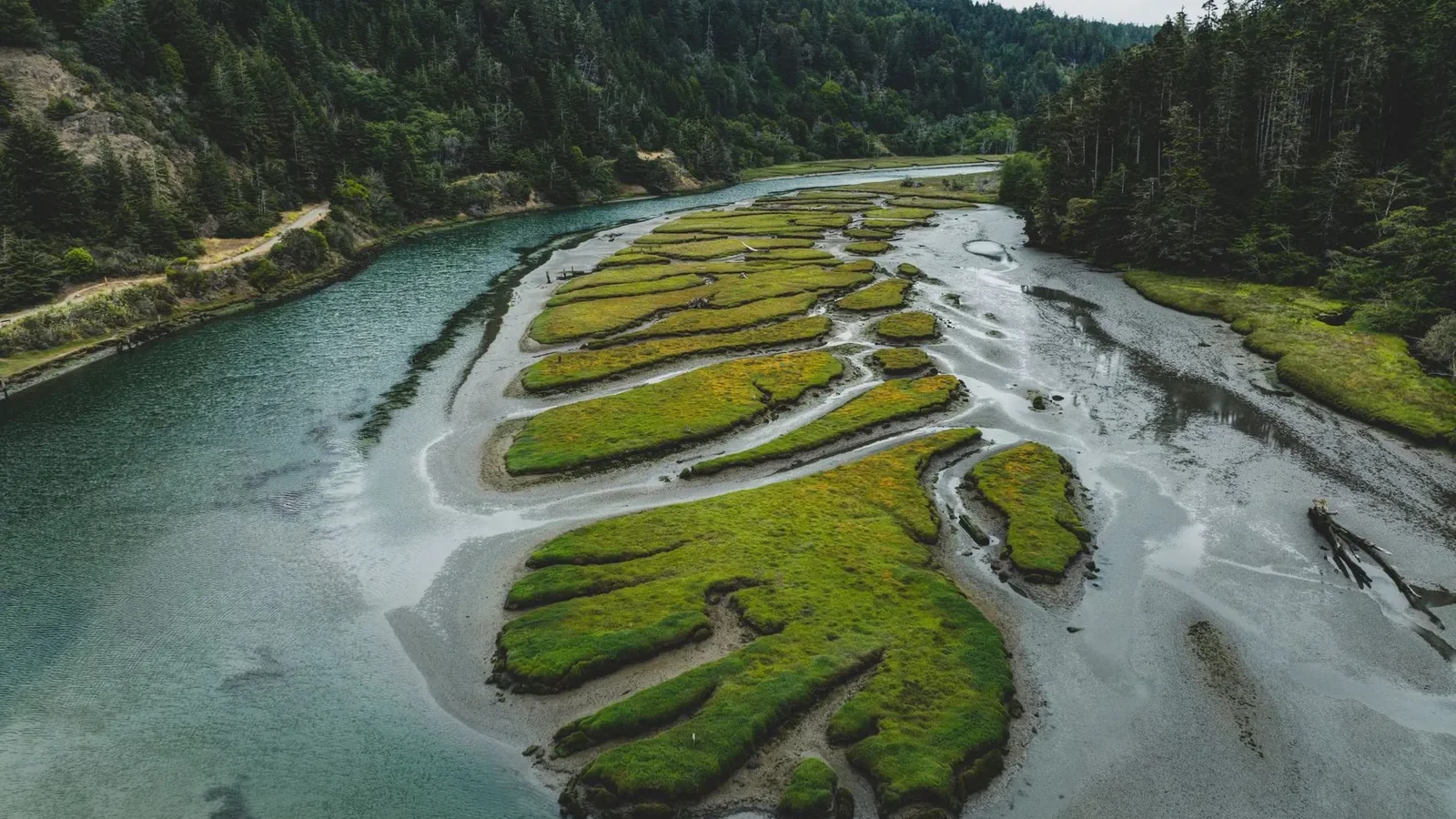
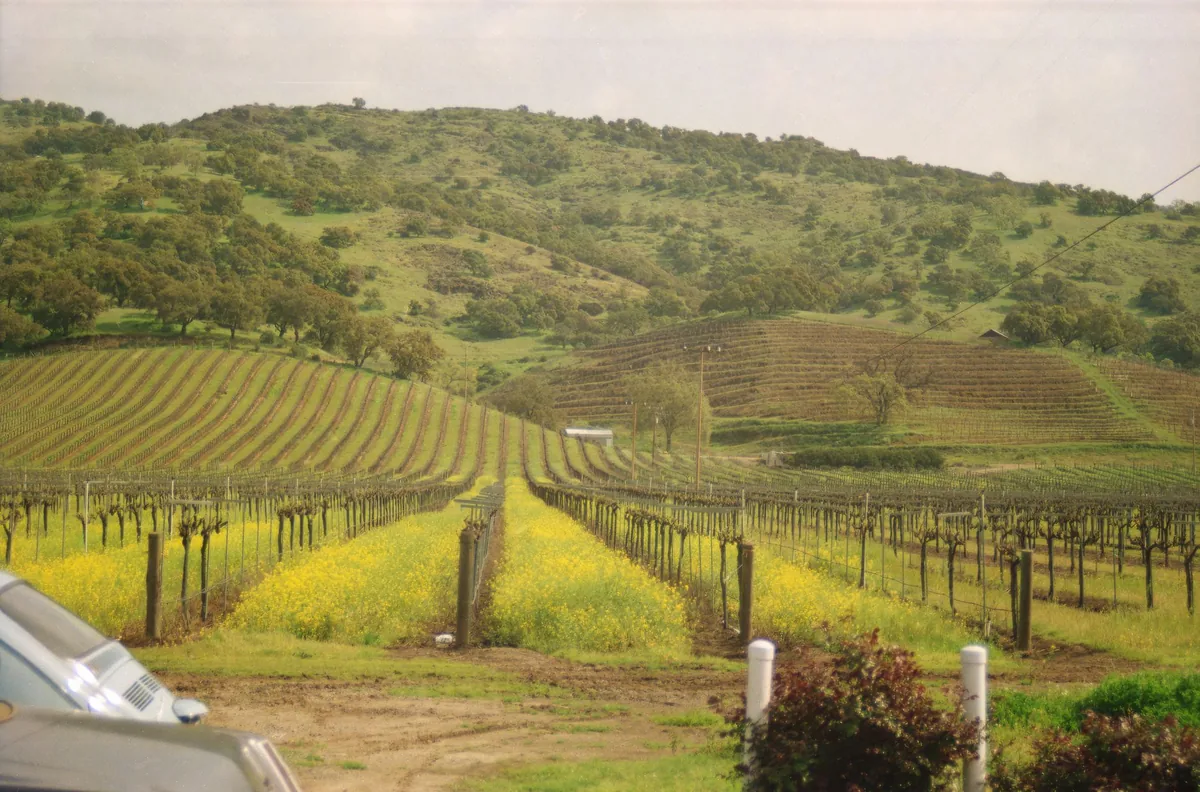
Mendocino County begins where most people stop driving. It sits at the northern end of California’s North Coast, past Sonoma, past the last stretch of easy highway, and this Mendocino County wine region guide treats that distance as the governing fact rather than a travel note. Remoteness produced the county’s small scale, its independence and its unusual farming record.
The county covers roughly 3,500 square miles of land and holds something on the order of 15,000 planted acres of vineyard. Napa fits several times that acreage into a fraction of the space. Most of Mendocino is forest, ranch and river canyon, with vines taking only the valley floors and ridge tops that happen to suit them.
A county the size of a small country
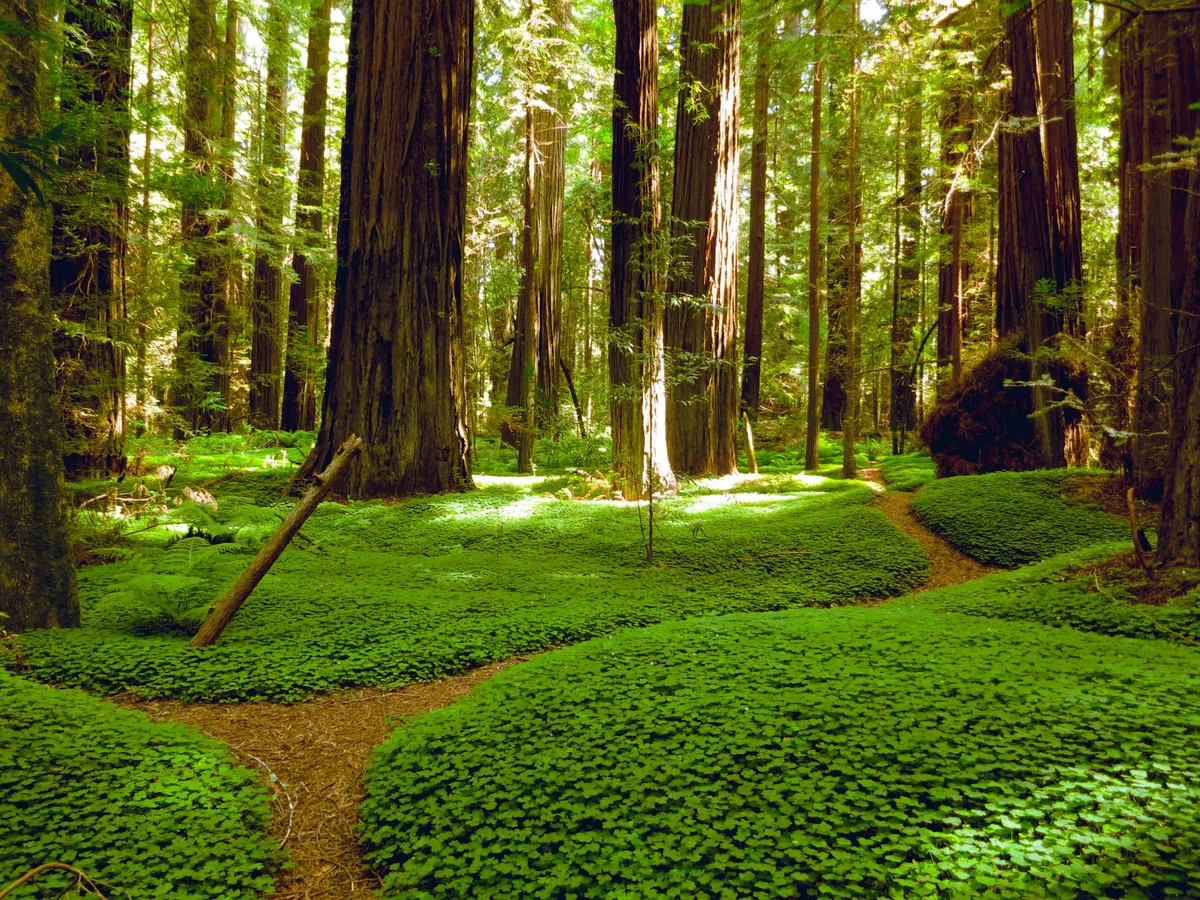
When Fred Buonanno and Heather McKelvey bought their Anderson Valley property in 1999, he described the county to Celebrations Wine Club as “huge, the size of Switzerland.” The comparison lands once you have driven it. Thirteen approved appellations sit inside that space, and several of them contain only a handful of growers.
The club’s June 2010 profile of Philo Ridge Vineyards in Anderson Valley put the access problem plainly: the way in is Highway 128, “a scenic but narrow, winding, 28-mile road that no one travels accidentally.” That sentence explains more about Mendocino’s wine economy than any acreage figure. Nobody planted here to catch passing traffic.
What that isolation bought was room to work slowly and cheaply. Land cost less than it did two counties south, disease pressure inland was low, and there was no tasting-room crowd to design a wine around. The result is a county of small estates rather than large brands.
What a Mendocino County wine region guide has to split in two
The Mendocino Range runs down the western side of the county and divides it into two climates that behave nothing alike. West of the ridge, Pacific fog and cold air push inland through river gaps. East of it, around Ukiah and Redwood Valley, summers are genuinely hot, with mean July temperatures above 73 degrees Fahrenheit.
Treating the county as one region is the single most common error in guides to it. A Pinot Noir grown ten miles from the ocean and a Zinfandel grown in the Ukiah Valley have almost nothing in common except a county line. Anyone reading a label needs the appellation, not the county.
Anderson Valley, the cool side
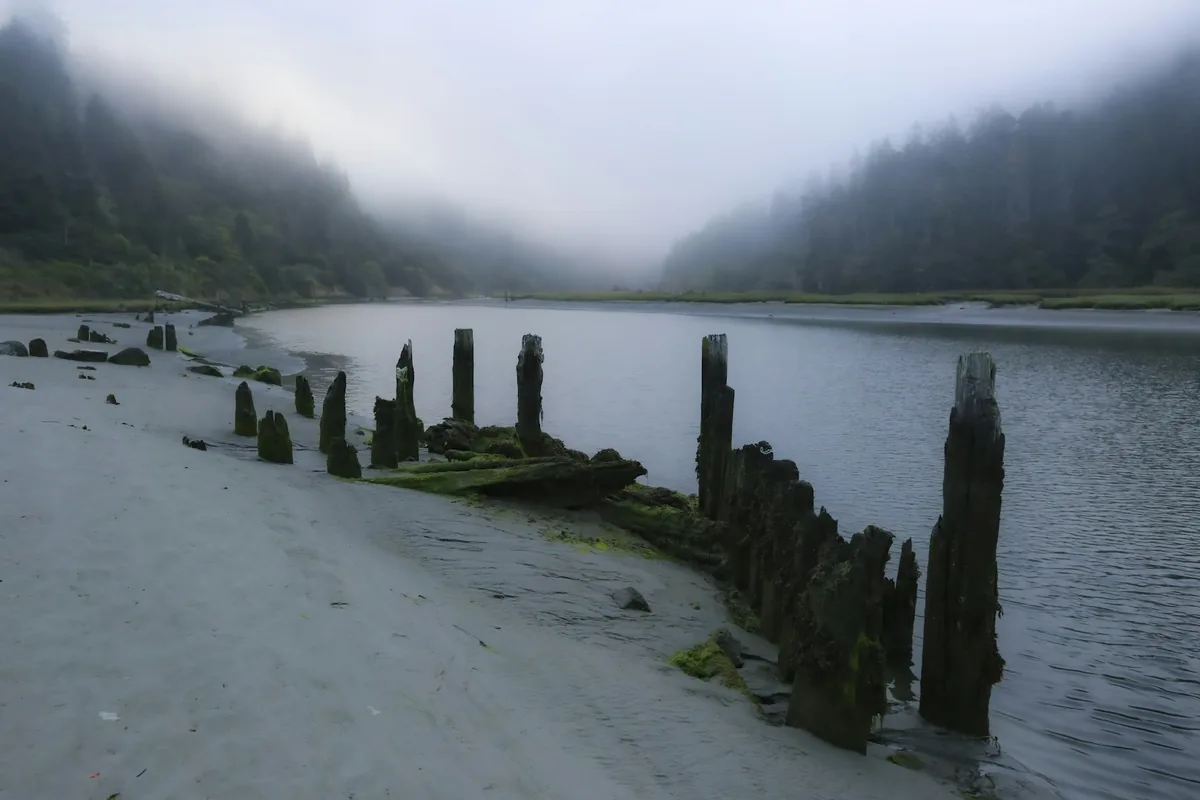
Anderson Valley runs roughly ten miles along the Navarro River and is among the coolest planted areas in California. Marine fog moves up the river corridor most summer nights and burns off late, which stretches ripening out and holds acidity. Pinot Noir dominates the valley, with Chardonnay, Gewürztraminer, Riesling and Pinot Gris beside it.
Milla Handley devoted her career to Pinot Noir precisely because of that cold. The club’s November 2010 profile of Handley Cellars records her saying the grape thrives in Anderson Valley’s low temperatures, and describes a half-mile driveway to a house in what she called remote country. Sparkling wine followed the same logic, since fruit that ripens slowly at low sugar is exactly what a base wine wants.
Ukiah, Redwood Valley and the inland floor
Inland, the story reverses. The Ukiah Valley, Redwood Valley, Potter Valley and McDowell Valley sit in the rain shadow of the coastal ridge and ripen warm-climate varieties without difficulty. Cabernet Sauvignon, Zinfandel, Carignan, Petite Sirah and a long list of Italian grapes all work here.
Greg Graziano built two labels on that inland fruit, and the club’s August 2012 profile of Graziano Family of Wines notes a head-trained Ukiah vineyard then more than forty years old, alongside fruit from a north-facing slope in the Talmage district. Old head-trained vines on the valley floor are a quiet Mendocino specialty. They rarely command the attention that Anderson Valley Pinot Noir does.
| Trait | Anderson Valley and the coastal side | Ukiah, Redwood and Potter valleys |
|---|---|---|
| Cooling mechanism | Marine fog up the Navarro River corridor | Night-time cooling only, in a rain shadow |
| Leading grapes | Pinot Noir, Chardonnay, Gewürztraminer, Riesling | Cabernet Sauvignon, Zinfandel, Carignan, Petite Sirah |
| Typical style | Lower alcohol, high acid, savory red fruit | Fuller bodied, darker fruit, firmer tannin |
| Sparkling wine | A serious category here | Rare |
| Vine age | Mostly planted since the 1980s | Head-trained blocks dating back decades |
What the organic record actually means
Roughly a quarter of Mendocino’s vineyard acreage is certified organic, the highest share of any county in the state. That statistic gets repeated constantly and explained almost never. It is worth knowing what a grower has to do to earn it.
Under the state program administered by the California Department of Food and Agriculture, land intended for organic production must not have had a prohibited substance applied within three years before the first harvest. That is a three-year commitment made before a single certified grape is sold. It is a decision that suits a family holding its own ground far more than it suits a leased block.
Mendocino’s scale is what made that arithmetic workable. Small owner-farmed properties, low inland disease pressure and no premium attached to cosmetic perfection all pushed the same way. The county also voted in 2004 to prohibit genetically modified organisms, the first in the country to do so.
Grapes, styles and how to choose a bottle
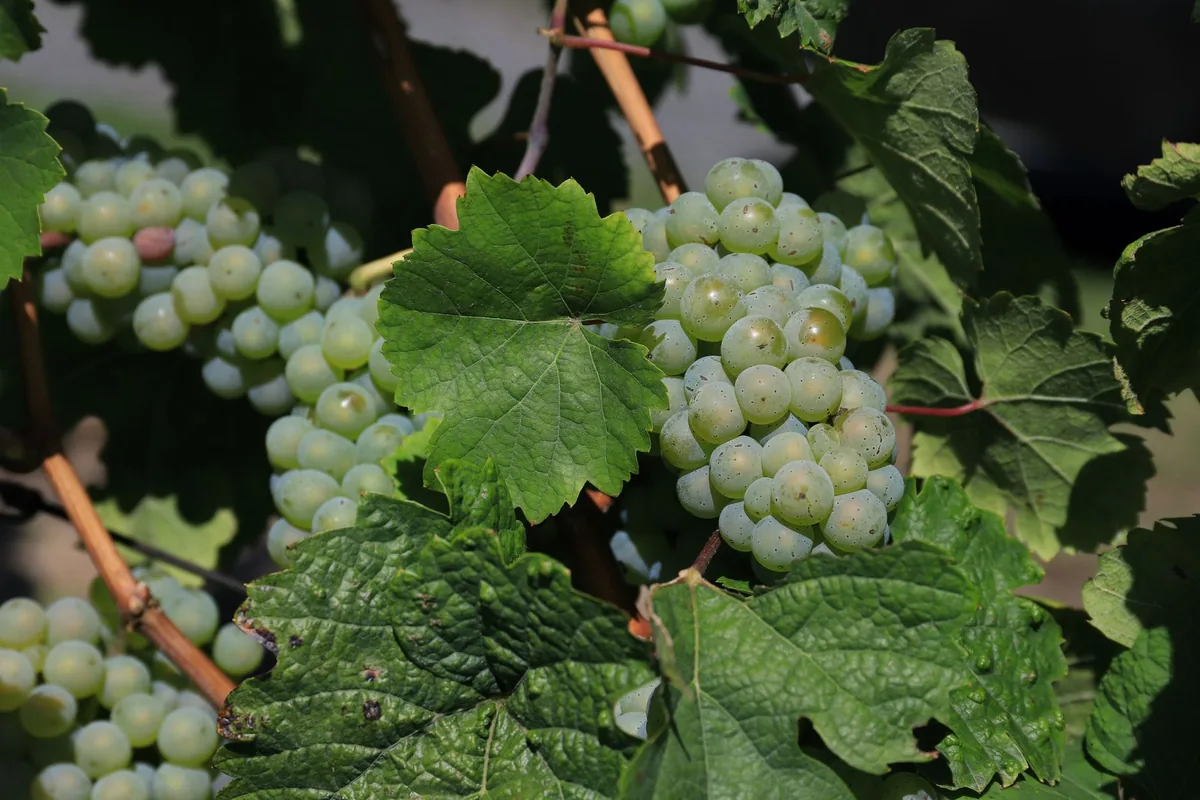
Chardonnay is the county’s most planted grape, followed by Cabernet Sauvignon and Pinot Noir. That order surprises people who know Mendocino only through Anderson Valley Pinot Noir, and it is the clearest evidence that the inland half of the county carries most of the acreage. Aromatic whites and sparkling wine are the county’s other genuine strengths.
Choosing well comes down to reading past the county name. An Anderson Valley designation signals cold-grown fruit with real acidity, which is what you want beside salmon, roast chicken, mushrooms or a soft washed-rind cheese. A Redwood Valley or Ukiah bottling signals warmth and structure, and belongs with grilled lamb, braised short ribs or anything off charcoal.
Mendocino also has a long history with Italian varieties, planted by families who arrived with them. Greg Graziano’s sparkling wine work is recorded in the club’s March 2015 newsletter, which describes him competing against established Anderson Valley producers. For neighboring regions, the Sonoma County wine region guide covers the fog corridors immediately south, and the Lodi wine region guide takes up the old-vine question inland.
Mendocino County wine FAQ
Is Anderson Valley the same thing as Mendocino County?
No. Anderson Valley is one appellation inside the county, on its cool coastal side. The county holds thirteen approved appellations in total, and most of the planted acreage sits inland where the climate is much warmer.
Why is Mendocino associated with organic wine?
Roughly a quarter of its vineyard acreage is certified organic, the largest share in California. Small owner-farmed properties made the three-year transition period practical, and low inland disease pressure made organic farming less risky than it would be in a damper place.
What grape should someone try first?
Pinot Noir from Anderson Valley is the county’s calling card and shows the cold-climate style clearly. If you want the other half of the county, a Zinfandel or Carignan from the inland valleys makes the contrast obvious in one glass.
Does the club still ship Mendocino wines?
No. Celebrations Wine Club stopped shipping in December 2019 and the site is now an archive. The California winery profiles from 2010 to 2019 and the California wine regions hub remain readable, and several Mendocino producers appear among them.

Mendocino rewards readers who look at the appellation before the county. The ridge that splits it also splits the wines into two families that share very little, and knowing which side of it a bottle came from tells you more than any other single piece of information on the label.