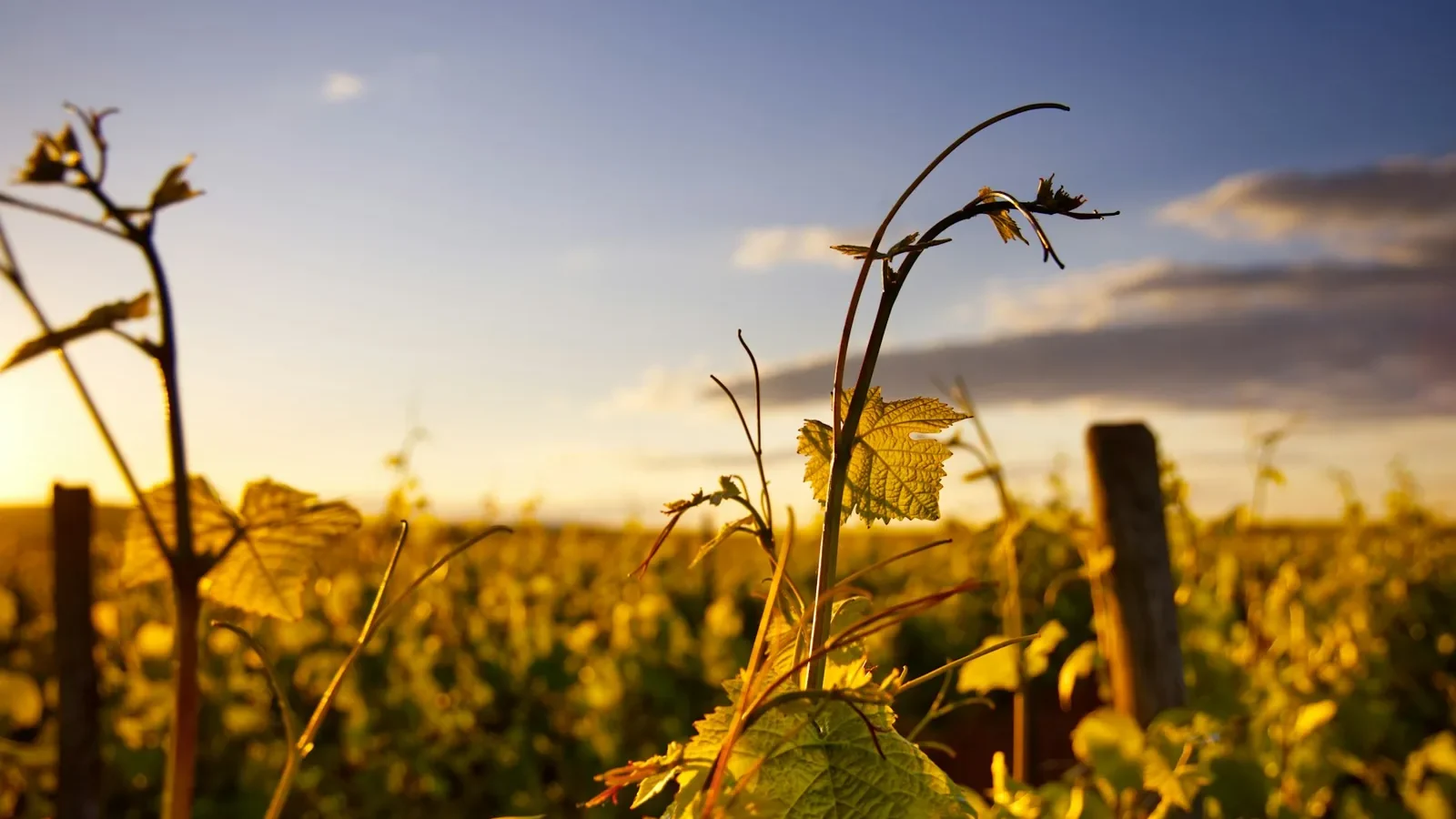
For a long time, fine white wine has been at the bottom of the list for most people. Devoted red drinkers probably wouldn’t refuse if a host put a glass in hand, and they might even select a white wine for a delicately flavored dish. But most wine drinkers haven’t been willing to take white wine seriously enough to spend much money for a bottle. Yet I’m detecting a small breeze of enthusiasm, not a gale for sure, but more appreciation and more willingness to explore whites that go beyond the inexpensive, mass-produced cocktail variety, which are ubiquitous and perhaps in part have degraded the idea of fine white wine as though it didn’t exist.
Because enough of you have requested the opportunity to receive a reserve white wine, I’ve added the option to the Winemaker Series. So far, most of the requests have been for Italian whites, even though many people associate Italian wine with reds. But the Italians love whites and rose`and make a big range of both, whereas in California, white wine choices are limited. Maybe for that reason, people have migrated to European whites when they decide to investigate the category. In California, Chardonnay and Sauvignon Blanc dominate the imaginations of most winemakers for now.
Why there might be a resurgence of interest in whites is anybody’s guess. One reason could be that people are eating less red meat, which pairs best with red wine. According to the Department of Agriculture, both meat and poultry consumption has plummeted 12 percent in just the last five years. Vegetarian dishes are not at all incompatible with red wine, but many meatless dishes might be better paired with lighter reds. Yet anyone, who has looked for a lighter style red wine in the last few years, knows that the task has become increasingly difficult as reds have amped up in alcohol and extraction. Even wines traditionally at the lighter end of the red spectrum, like Pinot Noir, Sangiovese, or Grenache, are made in a much bigger style now than they were in the past, whether they come from California or Europe.
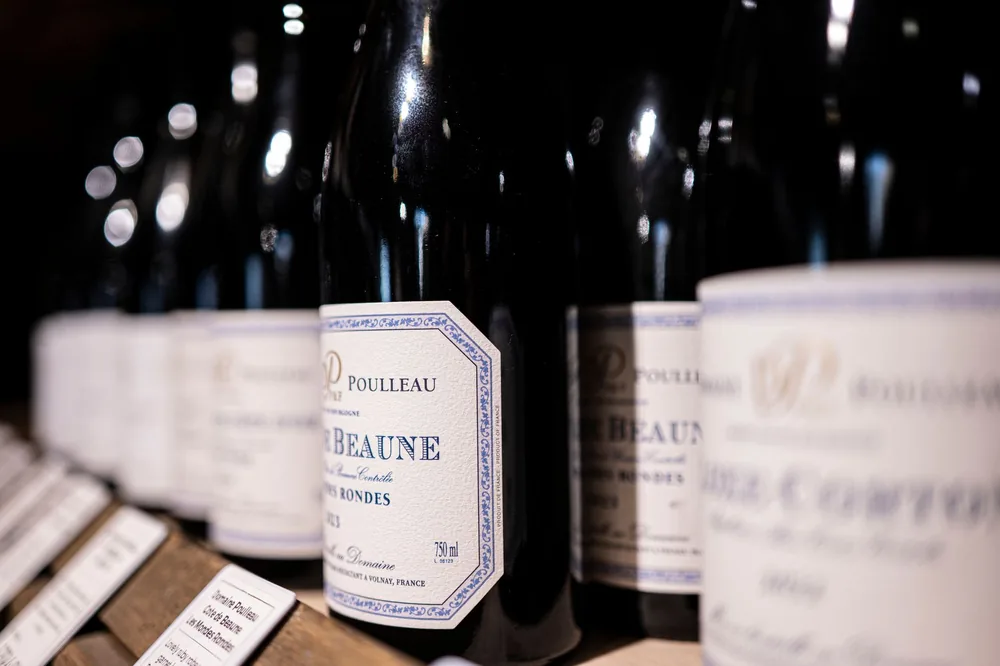
Rose` is also much more popular, perhaps for the same reasons that white wine is generating interest. It imparts just a taste of red but in a light and refreshing guise. In the past when I was selecting white wine for Celebrations, importers and California producers were quick to suggest rose` instead because it was harder to sell. Over the last two years, I’ve had to beg for the wine because it is allocated to restaurants and wine shops and sells out of winery tasting rooms.
Because we haven’t put the option on the website yet, you’ll need to call or email if you would like to receive the Winemaker Series reserve white wine, on the Italian side either in combination with a red from the Collector Series ($87), with a red from the Winemaker Series ($62), or combined with the Artisan Series red or white ($48). On the California side, the Winemaker reserve white combines with the Winemaker Series red ($62.50) or the Artisan Series red or white ($48.50). You could also combine the Winemaker Series whites from Italy and California ($62.50). In other words, you’ll have more white wine choices now instead of just the two Italian and Californian Artisan Series whites. So I’m putting this good news on the table and hope that it pleases many of you. Happy New Year!
Why white wine was undervalued for so long
The pattern described above has a commercial explanation as much as a cultural one. Inexpensive, high-volume white wine dominated the shelves for decades, and a category represented mainly by its cheapest examples struggles to be taken seriously by anyone. Fine white wine existed the whole time; it simply had to compete with the reputation established by everything else wearing the same category name.
Age is the other reason. Red wine acquired its prestige partly through the idea that it repays cellaring, and white wine was assumed not to. In practice a white wine with sufficient acidity and structure can develop for many years, which is why the great long-lived whites of Europe have always been priced alongside serious reds.
The historical record does not support the hierarchy either. Wine has been made and traded for thousands of years, and the Penn Museum’s account of the beginnings of winemaking in the ancient Near East and Egypt describes a trade in which color was one variable among many rather than a ranking. The modern preference is recent, and it is a matter of fashion rather than of inherent merit.
Three families of white wine
Grouping whites by how they were made is more useful than grouping them by grape, since it predicts both the serving temperature and the food that will suit them.
| Trait | Crisp and unoaked | Aromatic | Textured or barrel-aged |
|---|---|---|---|
| Defining feature | Acidity and freshness | Pronounced floral and fruit aroma | Weight from lees, oak or skin contact |
| Serving temperature | Well chilled | Cold but not frigid | Cool, closer to a light red |
| Glass | Standard white glass | Slightly wider bowl | Larger bowl for aroma |
| At the table | Shellfish, salads, fried food | Spiced dishes, sweet vegetables | Poultry, cured meats, aged cheese |
| Aging | Usually drunk young | Varies widely by grape | Often the longest lived |
How rose is made, and why it multiplied
Rose gets its color from brief contact between clear juice and red grape skins, and there are two common routes to it. Direct pressing takes red grapes straight to the press for a pale wine, while the bleeding method draws off a portion of juice early from a red fermentation, producing a deeper wine and concentrating the red left behind. Blending finished red and white wine is not permitted for still rose in most European appellations.
Its rise followed the same logic as renewed interest in whites. A drinker looking for something fresh and lower in weight has fewer options among modern reds than a generation ago, and rose delivers a hint of red character in a lighter frame. It also suits warm weather and casual meals, which is where a great deal of wine is actually drunk.
Getting more out of a white wine at home
- Take the bottle out of the refrigerator ten minutes before pouring; most whites are served too cold to smell.
- Use a glass with enough bowl to swirl, since aroma is most of what a good white offers.
- Let a textured or barrel-aged white sit in the glass for a while, as it will change noticeably.
- Save the crispest bottles for salty and fried food, where acidity does the most work.
- Keep a serious white lying down in a cool dark place rather than upright in the refrigerator door.
Our guides to Italian grapes and styles and California grapes and styles set out which white varieties each country grows in quantity, and our notes on matching food and wine cover the table side of the question.
FAQ: taking white wine seriously
Do white wines age?
Many do. Acidity, phenolic content and lees aging all give a white wine structure to develop against, though the majority of inexpensive whites are made to be drunk within a year or two.
What temperature suits a richer white?
Cool rather than cold, in the range you might serve a light red. Serving it at refrigerator temperature suppresses exactly the aromas that make it worth the price.
Is rose made by mixing red and white wine?
Generally no. Still rose is made from red grapes with limited skin contact, and blending finished wines to make it is prohibited in most European appellations, with sparkling wine the notable exception.