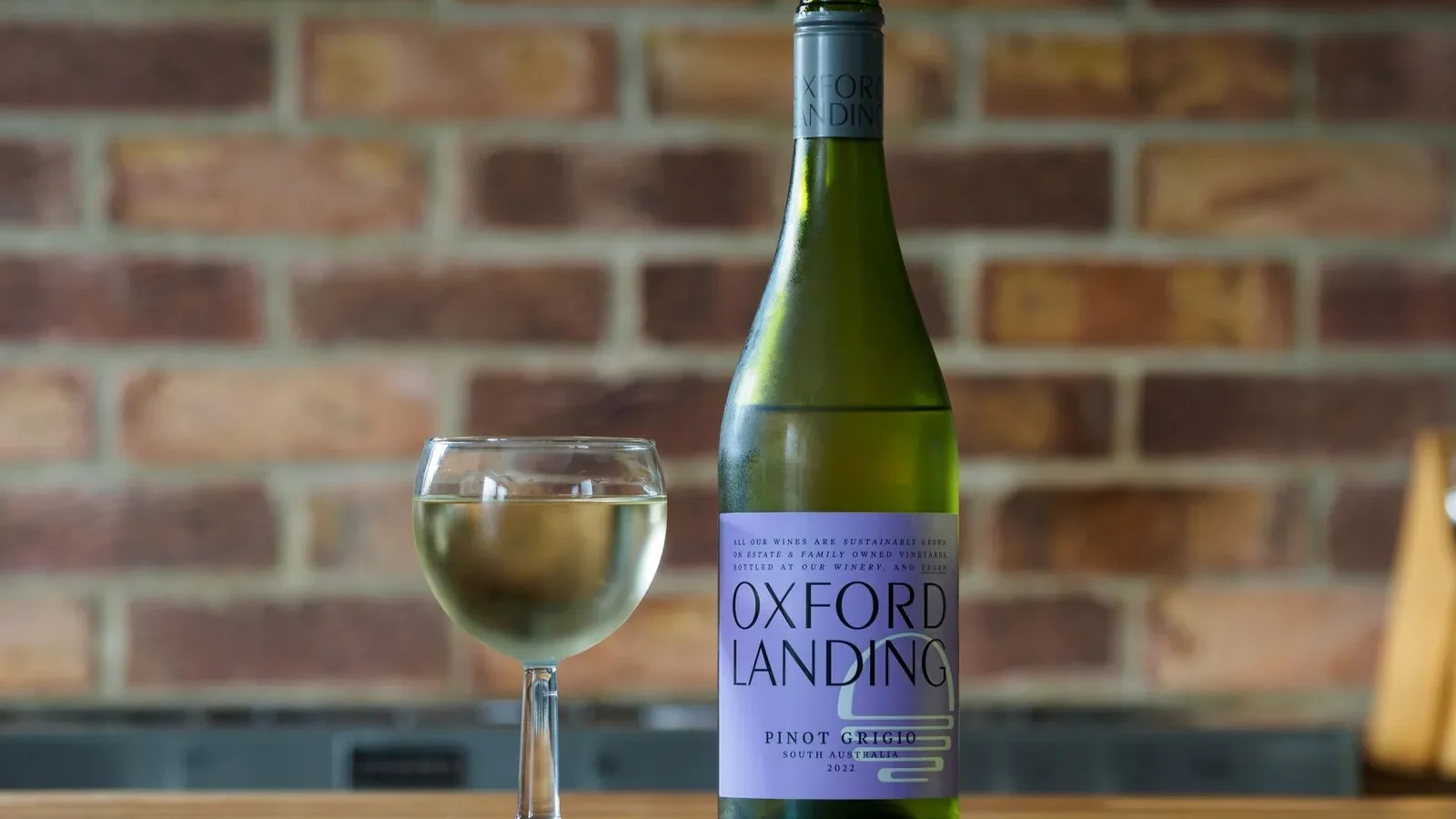
The Pinot Family is much in the spotlight these days. No, its members aren’t characters in another violent videogame. They haven’t engaged in public infidelity or banking fraud, and they’re not attempting health care reform or plotting a terrorist attack. Instead, the Pinot Family is a collection of ancient grape varietals that mutated from a single, wild plant, growing in dirt two thousand years ago somewhere in Burgundy, France. As science informs us, its fruit fell off a ragged vine into the hollow of a rock and fermented into a gooey liquid that caught the happy attention of some lucky guy passing through. We have no idea who the guy was, but he spread the word, and the vine prospered because of the care and attention it got subsequently. We do know, though, that the fruit was Pinot Noir, or Pino Nero to you Italiphiles.

All of the Pinots that we have come to love, no matter their diverse colors and flavors, are related and so named because the grape bunches suggest the form of a pine cone, pin in French. But their more important relationship is that they all mutated from the ancient Pinot Noir grape, which over millennia has morphed into 1000 different clones and grape varieties, most of which we ignore in favor of 46 clones and a handful of different varieties.
Along with Pinot Bianco and Pinot Grigio, which today are household words, Pinot Meunier and Auxerrois are other important Pinot grapes. The red Meunier is cultivated in Champagne, France and blended into the region’s sparkling wines, while Auxerrois Blanc is cultivated in Alsace and used in still blends with other grapes. Red Pinotage is another interesting variant that is common in South Africa, but unlike the others, which naturally mutated, Pinotage was a deliberate cross between Pinot Noir and Cinsaut. Chardonnay is sometimes referred to as Pinot Chardonnay, but the name is misleading. Chardonnay has no relationship to any of the Pinot varieties, except that it is the principal white grape of Burgundy, France and at one time was incorrectly thought to be a white mutation of Pinot Noir, which is the noble red grape of Burgundy.
While Pinot varieties are indigenous to France, and specifically Burgundy, where Pinot Noir, French for “black,” achieves its greatest expression, the Pinot varieties are widely planted in many other parts of the world. Pinot Noir requires a cool climate so is very much at home in northern Italy, especially in Trentino-Alto Adige. And just as it is cultivated in Champagne, France for the great sparkling wines of the area, it is also cultivated in Italy for the same purpose in Lombardia, Friuli, and the Veneto.
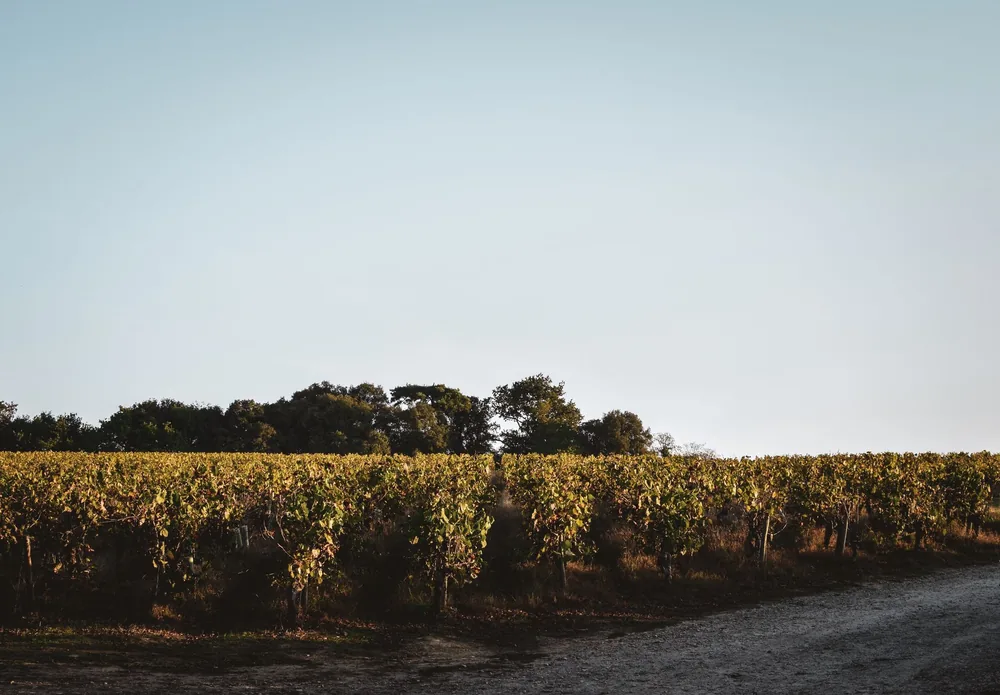
California is also in love with the Pinot Family as is Oregon, and viticulturists have planted it in the cooler appellations of these states for both still and sparkling wines. California’s best Pinot Noir comes from cool appellations, such as Carneros, Russian River Valley, parts of Monterey, San Luis Obispo, and Santa Barbara counties.

Generally not as complex as Chardonnay, Pinot Blanc, French for “white,” is considered to be a more substantial wine than Pinot Gris. Pinot Blanc’s principal growing region in France is Alsace, where it makes pleasant, dry wines. Pinot Bianco in Italy makes an even finer still wine in Alto-Adige but is mostly cultivated for sparkling wines in Lombardia, especially Franciacorta, where it can make sparkling wine that rivals Champagne. Pinot Bianco is also cultivated in the Veneto and Friuli, as well as Trentino-Alto Adige.

Pinot Gris, French for “gray,” or in Italian Pinot Grigio, refers to the grayish color of the grape. The color of the finest Pinot Grigio is slightly orange, unlike Pinot Bianco, which is a pale straw color. In the last ten years here in the U.S., Pinot Grigio, both home grown and imported, has become the second most popular white wine after Chardonnay because it offers a contrast to heavier California Chardonnay. In France, most Pinot Gris, like Pinot Blanc, is cultivated in Alsace, and while Pinot Gris tends to be lighter than Pinot Blanc, it can also have rich, honeyed expressions there and in Friuli and Alto-Adige, where it is mostly cultivated in Italy. In a word, the Pinot family of wines, whether red, white, or gray, is a remarkably ancient one that has continued to offer us much enjoyment.
What a clone is, and why the Pinot family has so many
Grapevines are propagated from cuttings rather than seeds, so every plant in a block is genetically a copy of the one it came from. Over centuries of that copying, small mutations accumulate and occasionally persist, and a grower who notices a vine behaving differently can propagate it separately. A clone is simply one of those selections kept and multiplied.
Pinot Noir has produced an unusual number of them because it is ancient and genetically unstable, mutating readily in ways that change berry color, cluster size and ripening behavior. Its white and gray-skinned relatives arose the same way. That instability is also why Pinot Noir vineyards are often planted to several clones deliberately, to build complexity into the fruit before fermentation begins.
Rootstock is a separate decision. Since the phylloxera crisis, most vines are grafted onto American rootstocks chosen for soil, pest and drought conditions, and the pairing of clone and rootstock affects vigor and ripening as much as either does alone.
Why cool sites suit the family
Pinot Noir buds early, which exposes it to spring frost, and its thin skins and tight clusters make it vulnerable to rot in a wet autumn. It also loses its aromatic definition quickly in heat, turning heavy and simple where a thicker-skinned variety would still be fresh. Those traits push it toward marginal climates where ripening finishes slowly.
In California that means proximity to cold ocean water and the fog it generates, in Italy it means altitude in the northeast, and everywhere it means a longer hang time at lower temperatures. Volume across California’s growing districts is tracked in the state’s annual grape crush figures, published by the National Agricultural Statistics Service with tonnage and sugar levels reported by variety and district.
| Decision | Still wine | Sparkling base |
|---|---|---|
| Picking | Later, at full flavor ripeness | Earlier, at lower sugar |
| Acidity sought | Moderate | High, to survive a second fermentation |
| Skin contact for red grapes | Extended, for color and tannin | Minimal, to keep the base pale |
| Alcohol in the finished wine | Higher | Lower in the base wine |
Where the family is planted
The cool corners of California carry the state’s Pinot Noir, and northeastern Italy carries most of its Pinot Bianco and Pinot Grigio along with the base wines for its best sparkling production. The same varieties in Alsace, Germany and Austria produce styles different again, because ripeness levels and winemaking traditions differ. One family, several conventions.
Our overview of California’s wine regions maps the coastal appellations where Pinot Noir succeeds, and the companion guide to Italy’s wine regions covers the northern zones where the white members of the family dominate.
Pinot family FAQ
Are Pinot Gris and Pinot Grigio the same grape?
Yes, under French and Italian names. The names have come to imply different styles, with the Italian version usually leaner and the Alsatian one richer, but the vine is the same in both places.
Why is Pinot Noir often expensive?
Low yields, fussy farming, vulnerability to weather and a preference for expensive cool-climate land all add up. It is a costly grape to grow well.
Does Pinot Noir age?
The better examples do, developing savory and earthy character over a decade or more. Most of what is made is intended to be enjoyed young.