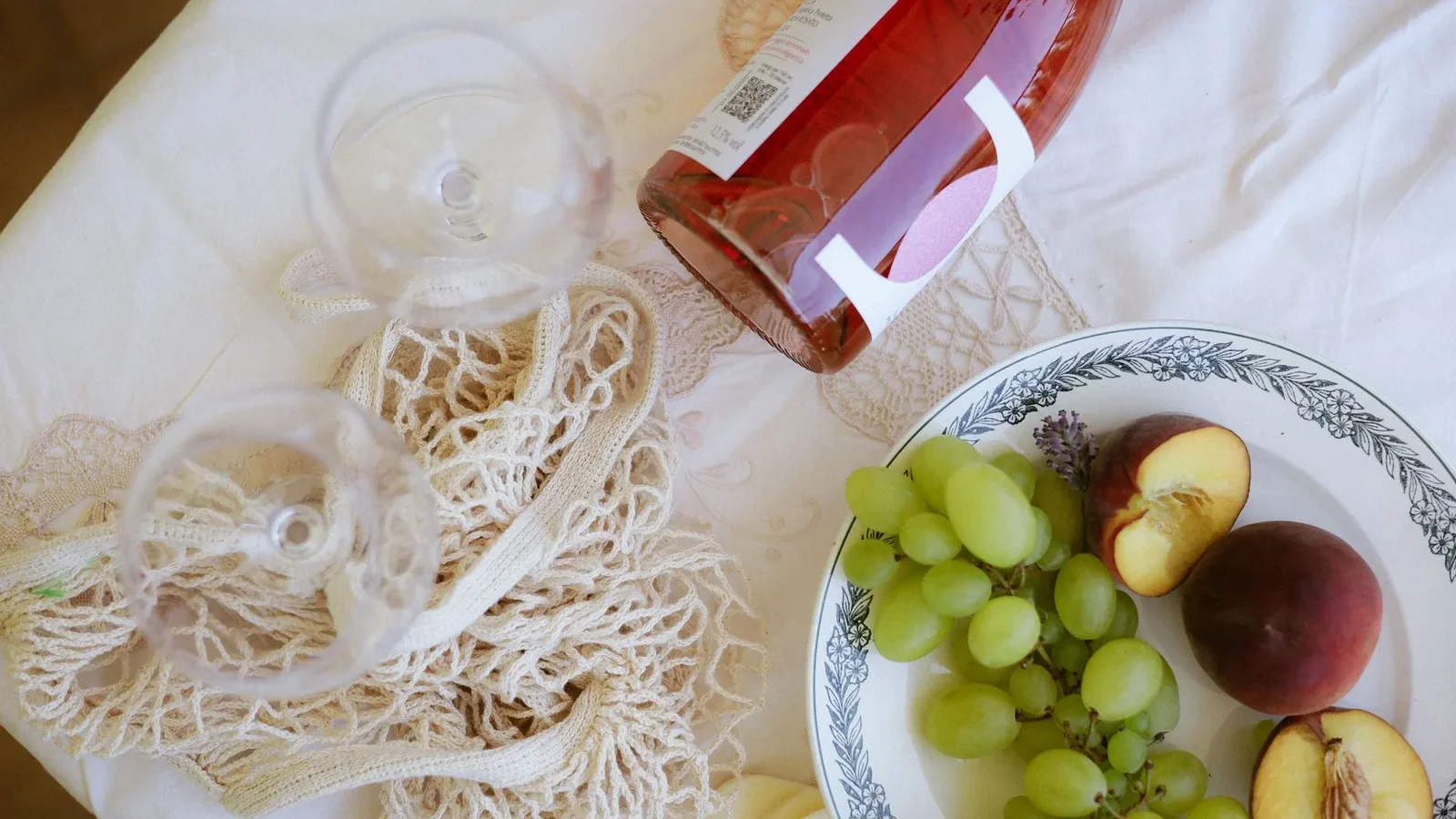
What is it about eating outdoors that is so captivating? Maybe it takes us back to our hunter-gatherer period when we paused at a bush and chomped on berries or rubbed two sticks together and roasted meat in a forest clearing, on the savanna, or maybe in front of the cave where we would sleep. Regardless of the source of enjoyment, eating outdoors, whether at a restaurant, on our own decks, or in a local park is one of the great joys of summer. As the days pass, I’m reminded that we have little time left for the pleasure before the nights cool down to uncomfortable outdoor temperatures, at least here in the San Francisco Bay Area.
Although the barbecue is not central to European culture at it is here, European restaurants and cafes were ahead of ours with outdoor dining. As soon as weather permitted, restaurant and café owners dragged tables and chairs onto the sidewalks and into the piazzas where patrons could enjoy the sunshine, the views, and one another. We now have plenty of opportunity to do the same in our own towns and cities.
Picnics provide another opportunity to dine outdoors. Summertime brings us out to parks for family reunions, birthdays, or camping holidays. We unfold tablecloths, separate stacks of paper plates at place settings, lift the covers off bowls of salads, cheeses, fruits, and desserts, and take our places on the benches, and smell the roasted meats, hot from the barbecue. The trees provide shade, and the party begins.
I recently attended a wedding rehearsal party in a Sonoma backyard. Ivy crawled up the siding of the home, and flower beds were jammed with color. Two long tables lined up off to one side with strings of lights stretching above. Someone played an accordion which could hardly be heard above the din of happy conversation. When the food came off the grill, bees arrived at the tables along with the guests. Nobody cared. As the evening cooled, women pulled shawls and sweaters over bare arms.

Apart from special occasions, any night of the week is an opportunity to eat outdoors in the summer, provided that you’re not crowded into a city apartment with no access to stars. You’ll prepare the barbecue, set the table, and bring side dishes from the kitchen. If yours is a later weekend supper, you’ll be lighting candles at dusk as temperatures diminish and the crickets begin to chirp, which you night not even notice without a lull in the conversation.
At least on weekends, you can eat breakfast on the balcony, the morning still cool and the coffee hot. Enjoy!
Why Wine Behaves Differently Outdoors
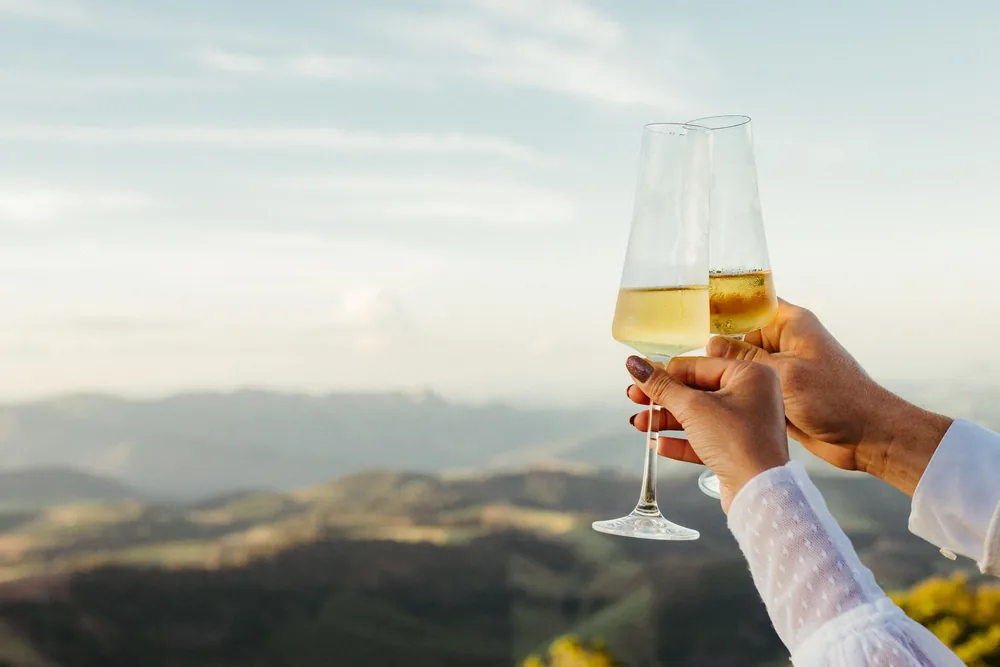
Everything that makes eating outside pleasant works against the wine. Warm air raises the temperature in the glass within minutes, moving air carries aromatics away before they reach the nose, and direct sun heats the bottle far faster than the surrounding shade suggests.
The temperature effect is the largest of the three. A white poured at the correct temperature will gain several degrees in a quarter of an hour on a warm patio, and as it warms, alcohol becomes more prominent while acidity seems to recede. A red left in the sun goes soft and jammy in the same interval.
The practical response is to start colder than feels right. Pour a white a few degrees below its ideal and let the air bring it up; give a light red twenty minutes in a cooler before it goes to the table. Overcorrecting outdoors is nearly impossible.
| Situation | Indoor practice | Outdoor adjustment |
|---|---|---|
| Crisp white | Chilled, poured as needed | Keep the bottle in ice between pours, not on the table |
| Light red | Cool room temperature | Chill briefly first; shade the bottle |
| Full red | Poured and left to open up | Pour smaller amounts more often |
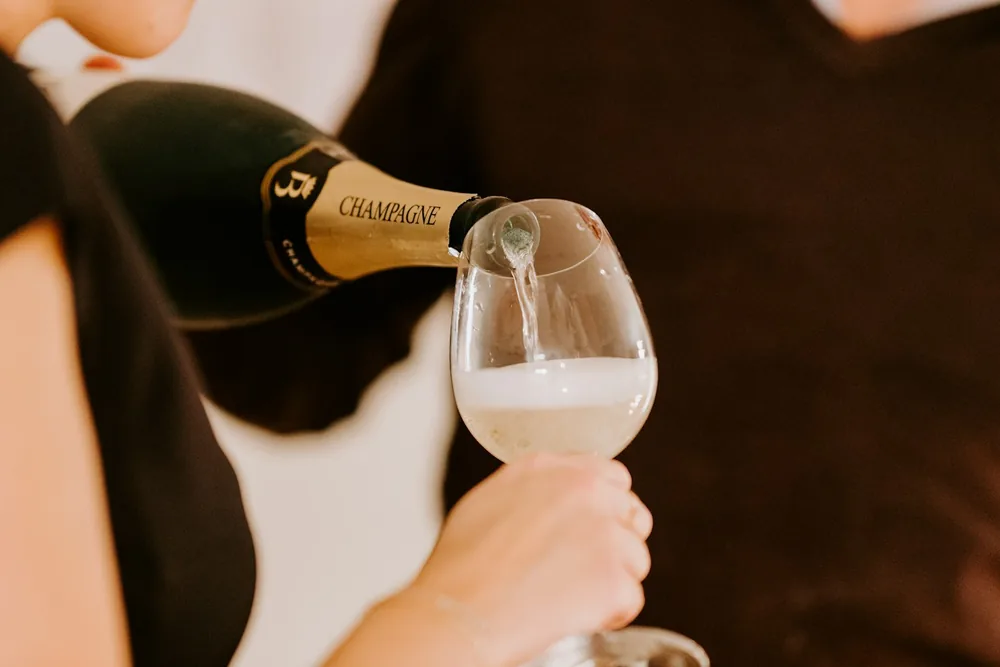
| Sparkling | Well chilled | Ice bath throughout; warmth kills the mousse |
| Glassware | Thin crystal | Sturdier stems survive grass, gravel, and wind |
The Grill Changes the Pairing
Cooking over fire adds two things no stove produces: char and smoke. Char is bitter, and smoke is aromatic and persistent, so both interact with wine in ways that a roasted or braised version of the same dish would not.
Char pairs comfortably with wines that have their own toasty, savory dimension, and it clashes with wines whose entire appeal is bright primary fruit. Smoke is more forgiving but tends to overwhelm delicate aromatics, which is why a subtle, perfumed white is usually wasted next to a grill.
Marinades and sauces frequently matter more than the protein itself. A sweet barbecue glaze will strip the fruit from a dry red and leave its tannin exposed, while a lemon and herb marinade pushes the same dish toward a white. The reasoning is worked through in our guide to matching food and wine.
Picnic Logistics That Actually Matter
A picnic imposes constraints a backyard does not, and planning around them is simpler than improvising. California’s state park system covers an enormous range of settings, from coastal bluffs to oak woodland, and the rules on alcohol, glass containers, and open fires differ from one unit to the next; the California State Parks site publishes those regulations by park.
- Chill everything the night before, including the reds you intend to serve cool.
- Pack bottles at the bottom of the cooler and food above them, since cold sinks.
- Bring a corkscrew, and then bring a second one.
- Check whether glass is permitted before assuming stemware is an option.
- Plan for the wind, which will take napkins, paper plates, and aromatics alike.
Food travels better when it is meant to be eaten at room temperature. Frittata, cured meats, marinated vegetables, bean salads, and firm cheeses all improve on the drive, while anything that depends on being hot arrives disappointing.
Timing the meal helps as much as packing it. Setting out in the late afternoon rather than at midday puts the table into gentler light and cooler air, and it keeps the wine from working against you for the first two hours.
Shade is the other free variable. A table under trees can run ten degrees cooler than one in open sun, and the difference shows up in the glass long before anyone notices it on their arms.
The Long European Habit
The tradition of dragging tables into the street is older than the cafe culture it produced. Mediterranean towns organized public life around squares and porticoes, where the evening cooled enough to sit and the entire population passed by, and eating outdoors was simply where people already were.
Climate did much of the work. A dry summer evening in southern Europe is reliably comfortable in a way that a humid one is not, and the wines of those regions were made for exactly that setting: moderate in alcohol, brisk, and served cool. Our overview of Italy’s wine regions follows those growing areas from the Alps to Sicily.
Outdoor Dining and Wine FAQ
Should red wine ever be chilled?
Lighter reds benefit from twenty minutes in the refrigerator, particularly in warm weather. Cool room temperature was defined in houses far colder than modern ones, and most reds are served several degrees too warm as a result.
Do wine glasses matter outside?
Shape helps and fragility hurts. A sturdy glass with a reasonably wide bowl captures enough aroma to matter while surviving a picnic table, and stemless designs handle uneven ground better than they handle warm hands.
What holds up best on a long, hot afternoon?
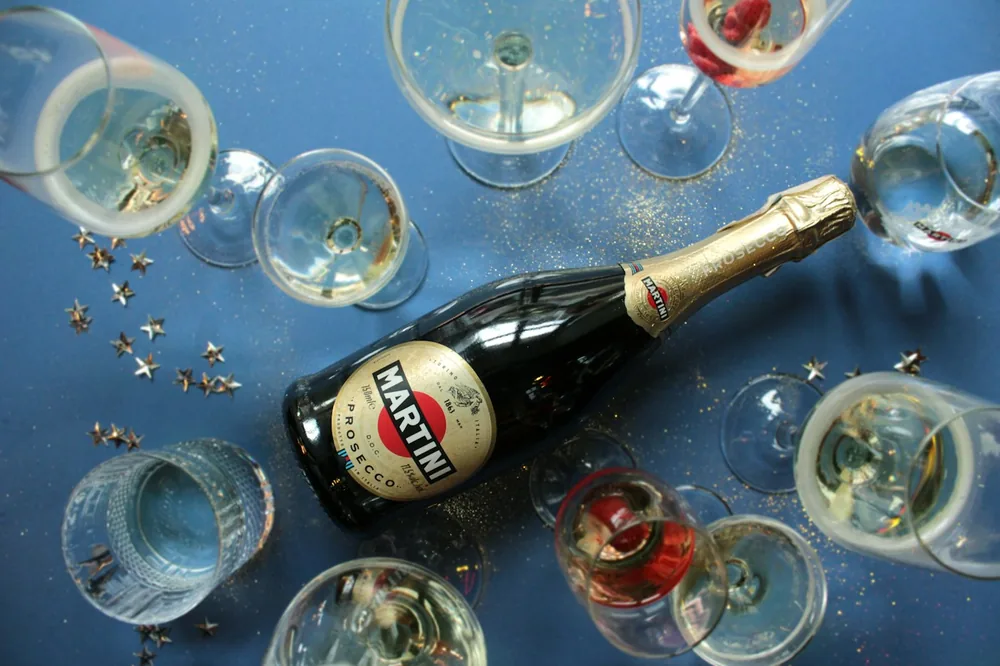
Wines with real acidity and moderate alcohol stay refreshing as they warm, while high-alcohol, low-acid wines turn heavy quickly. Sparkling wine and dry rose are the reliable choices, and both suit the sort of gathering described in our guide to wine for celebrations.