
Introducing a new website, www.discovercaliforniawine.com, that helps consumers learn more about California’s signature beverage, Wine Institute and the California Association of Winegrape Growers have compiled a list of questions that you may have always wanted to ask but have never been able to summoned the courage. Enjoy!
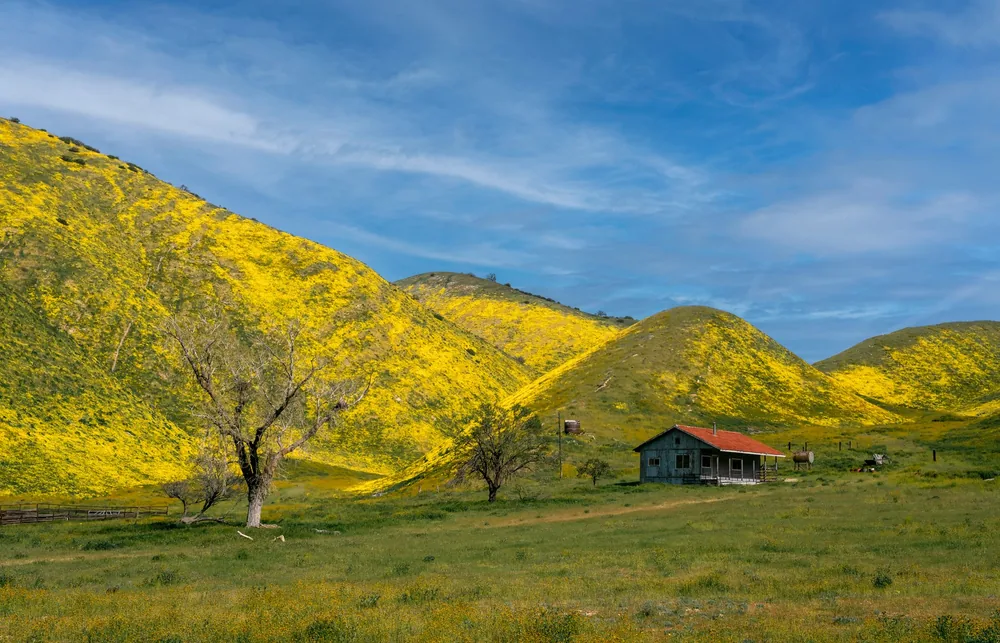
How much wine does California produce?
California is the leading wine producing state in the U.S., making about 90 percent of all American wine, but all 50 states now have wineries.
Why does so much great wine and food come from California?
The size of the state and the diversity of its soils and climates mean that a vast array of fresh, seasonal crops thrive there. Winegrapes are one of 400 agricultural products produced in California, and more than 110 varieties of winegrapes are grown in the state.
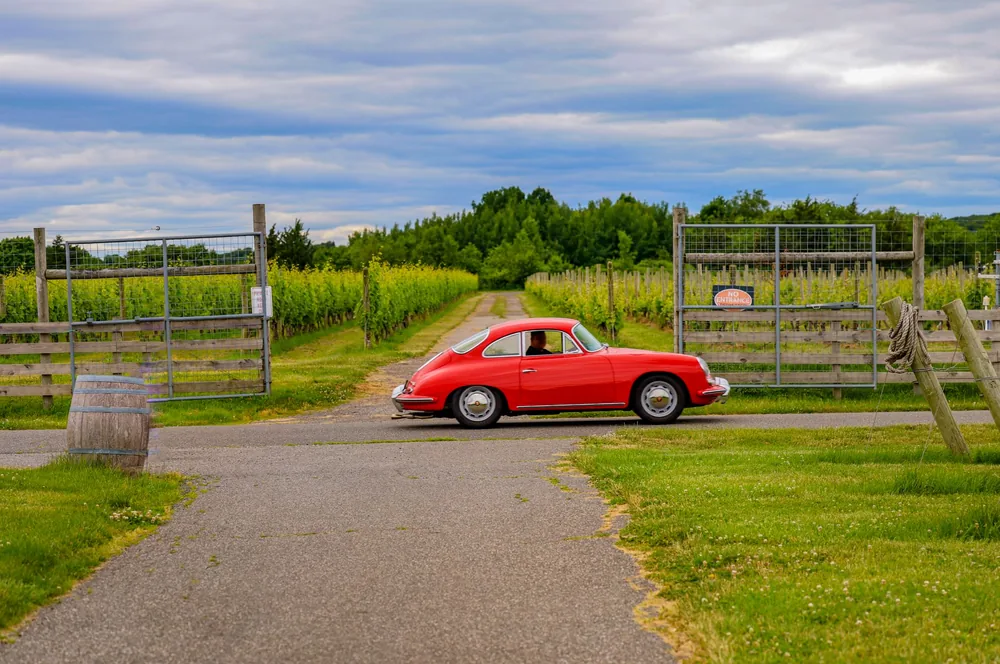
Does California make a lot of wine compared to other countries?
California is the fourth leading wine producer in the world, after Italy, France and Spain.
How many acres of winegrapes are planted in California?
526,000, though vineyards cover less than one percent of the state’s terrain.

What is the most popular wine from California?
By volume, Chardonnay remains the leading varietal wine from California, followed by Cabernet Sauvignon, Merlot, White Zinfandel and Pinot Grigio.
What is an appellation?
Wineries are required to put information on the label identifying where the grapes for the wine were grown, and the wine label term for this geographic origin is appellation. If the label says “California,” then you know that 100% of the grapes were grown in the state (which is itself an “appellation).” But the state is also divided into many smaller appellations and sub-appellations.
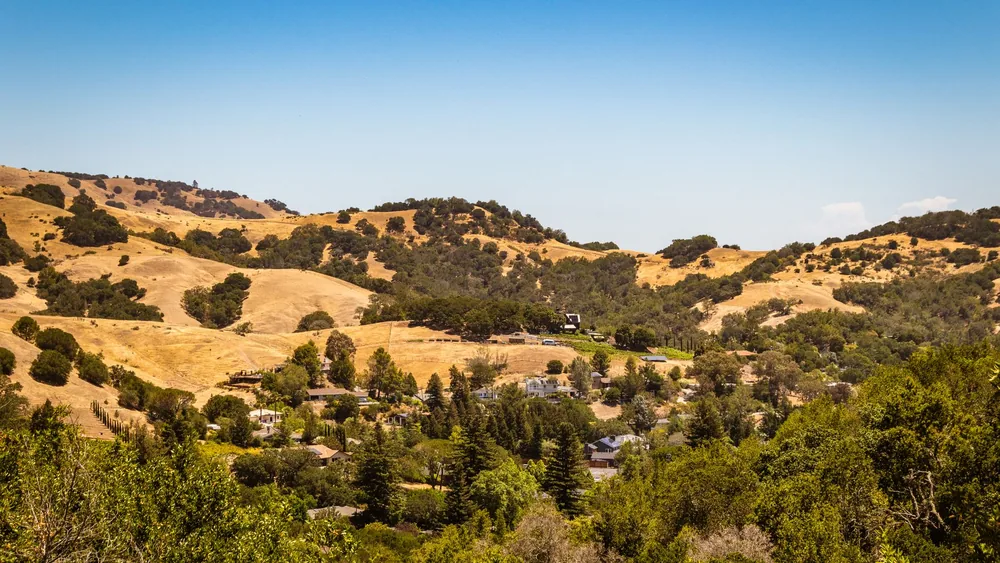
What does “estate grown” on a wine label mean?
“Estate grown” on the label means that the winery and the vineyard where all the grapes are grown are located in the same viticultural area. The winery owns or controls the vineyards, and the wine was made by the winery at its facility on the estate.
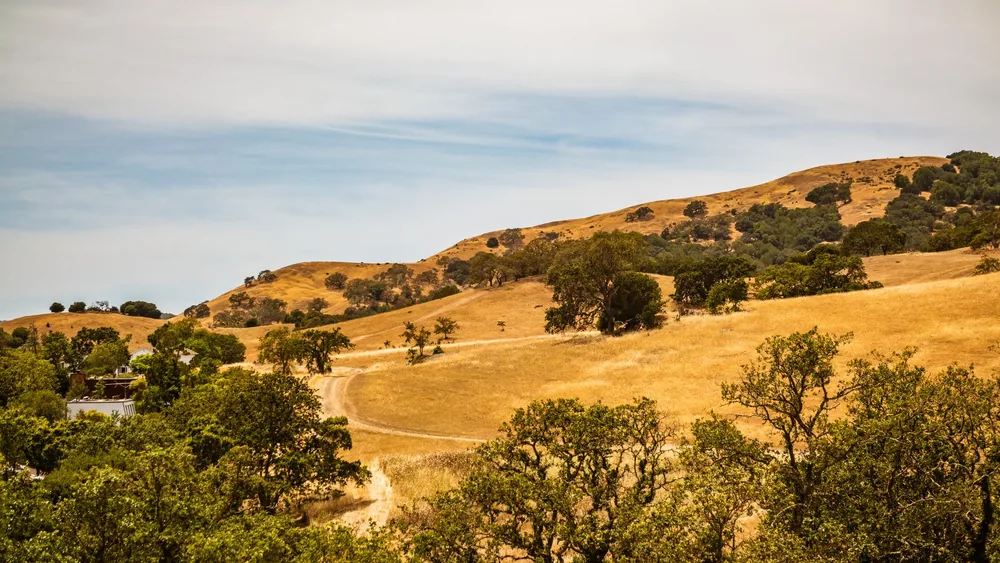
When and where were winegrapes first planted in California?
In 1769, by Franciscan missionary Father Junipero Serra at Mission San Diego de Alcala. He planted a variety known as the Mission grape to make wines for the church.
What type of winegrape was still widely grown in California during Prohibition?
Zinfandel, which was often shipped to home winemakers who could legally make up to 200 gallons of wine annually for home consumption. A few wineries were also allowed to make sacramental wines.
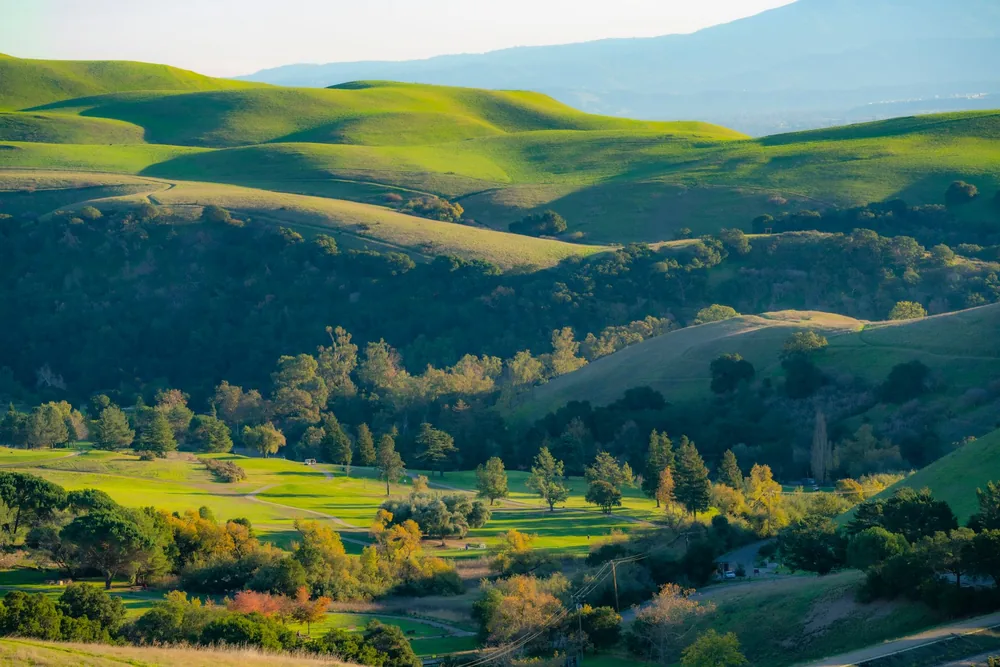
What is California sustainable winegrowing?
Sustainable winegrowing is a set of best practices that guide California’s growers and vintners in producing wine in an environmentally friendly and socially responsible manner that benefits families, employees, communities and wildlife, and the soils, air and water that make great wines possible. The California wine community has the most widely adopted green winemaking and winegrowing program in the world and one of the few that measures and reports statewide performance. The program has earned the state’s top environmental award.
What the label terms in that quiz actually guarantee
The answers above describe a labeling system that becomes easy to use once you know which terms carry legal weight. Appellation, varietal name, vintage and estate bottled are all defined in federal regulation, and each requires a minimum percentage rather than a vague resemblance. Everything else on the label, including vineyard poetry and family history, is marketing.
An American Viticultural Area is a delimited grape growing region approved on the basis of distinctive geography, and a wine naming one must draw at least eighty-five percent of its grapes from inside those boundaries. The federal guidance on appellations of origin from the Alcohol and Tobacco Tax and Trade Bureau sets out that requirement along with the rules for state and county appellations. A state appellation such as California operates on a different and stricter basis, which is why the quiz answer above says one hundred percent.
Varietal labeling works the same way. A wine called Chardonnay must contain at least seventy-five percent Chardonnay under federal rules, and California law holds wines grown in the state to that same floor. The remaining share may be other varieties, which is how a wine can carry a grape name and still include a blending component.
Reading the four terms side by side
The minimums are easy to mix up, and the differences matter when you are comparing two bottles from the same region. This is the shape of the system in one view.
| Label term | What it promises | Threshold |
|---|---|---|
| State appellation | Grapes grown within one state | 100 percent for California |
| Viticultural area | Grapes from a delimited growing region | At least 85 percent |
| Varietal name | The named grape dominates the blend | At least 75 percent |
| Estate bottled | One winery grew, made and bottled the wine | 100 percent, all within the same viticultural area |
Why estate bottled is the strictest term
Estate bottled asks more of a producer than any other common phrase. The winery must sit inside the viticultural area named on the label, must own or control the vineyards that supplied all the fruit, and must crush, ferment, finish, age and bottle the wine on its own premises without the wine leaving the property. That is a chain of custody, not a claim about quality.
The practical consequence is that estate bottled wines cannot be assembled from purchased fruit trucked in from another region. It also means the term is unavailable to excellent producers who source grapes rather than farm them, which describes a large share of the industry. Absence of the phrase tells you about a business model, not about the wine.
County appellations sit alongside the state and viticultural options and follow the eighty-five percent rule. Many viticultural areas also nest inside larger ones, so a producer may name the broad region, the smaller area within it, or a single vineyard, each with its own requirements. The narrower the name, the more the label is committing to.
The historical answers in context
The mission plantings of 1769 established grape growing in California more than a century before the state had a commercial wine industry worth the name. The Mission grape itself was a workhorse variety carried north through New Spain, valued for reliability rather than finesse, and it stayed dominant until European varieties arrived in quantity during the nineteenth century.
The sustainability question in the quiz has a similar history behind it. Programs of that kind grew out of decades of university extension research on irrigation, soil management and pest control, and their distinguishing feature is measurement: participating growers record what they use and how much, then compare themselves against a published standard. That reporting is what separates a documented program from a general claim of good intentions.
Prohibition rearranged the vineyard map again. Home winemaking remained legal within limits, so demand shifted toward thick-skinned varieties that could survive a rail journey to eastern cities intact, and Zinfandel fit that description better than most. Our guides to California grapes and the styles made from them and to the state’s growing regions trace where those old plantings ended up.
FAQ: California wine labels
If a label says California, can any of the fruit come from another state?
No. A California appellation requires that all the grapes were grown in California, a stricter standard than the federal minimum that applies to state appellations generally. Blends crossing state lines must be labeled accordingly.
What does a vintage date guarantee?
A vintage date on a wine carrying a viticultural area requires at least ninety-five percent of the fruit from that year. Wines labeled with a broader state or county appellation face a lower threshold of eighty-five percent.
Is sustainable certification the same as organic certification?
No. Sustainability programs assess a broad set of farming, energy, water and social practices against a published standard, with third-party verification available. Organic certification is a separate legal designation with its own rules about permitted inputs.