
I’m not big on New Year resolutions or predictions, but I think many people are thinking about 2009 and beyond in a more intense way than they may have in the past. A new and seemingly different administration will be occupying the White House and congress, and we’re wondering what changes they might engender. We’re also focused on 2009 because we’re hoping that the recession will bottom-out, and the economy will stabilize and begin to improve. Finally, we will hopefully see the end of at least one war that has riveted our attention and emotions.
But apart from specific expectations for 2009, we share a consciousness that a new era is truly beginning. In the year 2000, we focused on the march of time, and mostly looked back at the past. Almost ten years later, we see the future, because change, driven largely by technology, has altered our world to the extent that we can see what might be ahead. New ways of communicating are pervasive. We now depend on mobile phones, email, instant messaging, and online social networking. As we attempt to free ourselves from the combustion engine, different transportation technologies are competing for realization both public and private, including electric and biofueled cars. All of the major systems that frame our lives, from food production to housing to health care are being re-thought and are seemingly on the brink of dramatic innovation. The list goes on.
New trends in the wine business are related to these larger themes. The first trend that comes to mind is that the corner store is no longer the only place where you can buy wine or any other product. You purchase wine from Celebrations Wine Club because you can browse the internet. You might order a random wine in a restaurant and decide that you want more. So you contact the winery directly, because its email address in on the back label. And if it isn’t, no worries. You Google the winery name and ask them to send you a few bottles, by-passing both the corner store and the wholesaler who sells wine to the owner. The same situation occurs in the music business when you download a CD. If the store is out of your shoe size, you go to the producer’s website and order the shoe there. In other words, the way goods are distributed is changing. And buying direct from producers of many different products will probably accelerate once cheaper and more efficient transportation technologies develop. The corner store will remain with an altered product line, but the current owners could also decide to move their business online.
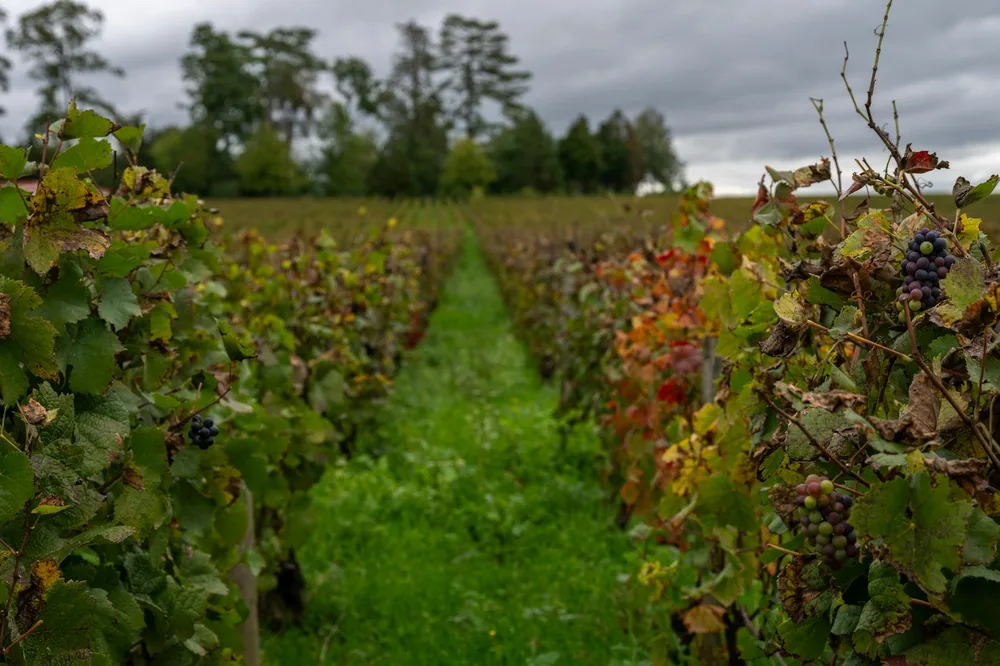
Winegrape farming is undergoing transition as it always does. I found it interesting to see how many selections in Wine Spectator’s and San Francisco Chronicle’s top 100 wines were farmed organically or biodynamically. I didn’t take the time to count, but biodynamic vineyards had a new and conspicuous presence. This is the ultimate system of sustainable agriculture because literally everything that grows on the property is recycled in the same location. Each farm, like the globe itself, nurtures diverse plants and animals and is self-contained albeit with much scientific help in the form of monitoring plant and soil health. This farming movement is diametrically opposite to giant, centralized, chemically-dependent, mono-culture farms that represented innovation in the past. Such mega farms depended on crude oil prices around $15 a barrel so that transporting crops from huge farms across the country was economically viable. And the far-reaching consequences of chemical contamination and exhausted soil were unknown. Redeveloping local agriculture is once again a viable model. And incidentally, almost every state in the U.S. now makes wine. While California has been doing it the longest, all the others are finding their way toward competence and excellence.
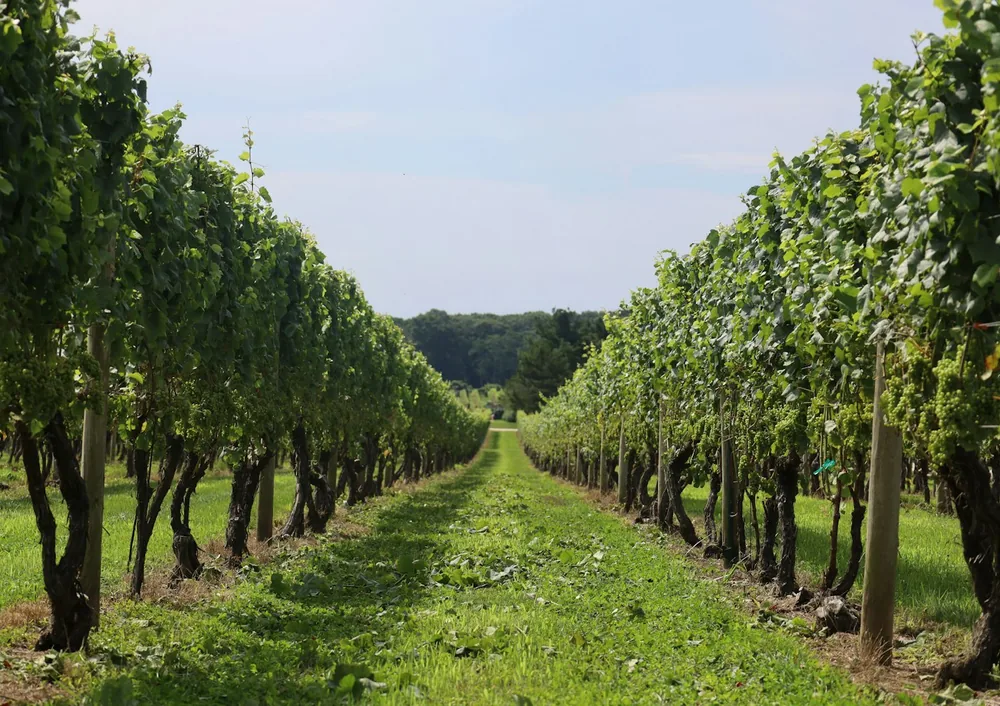
So which new grape varieties will we likely see in the near future, even though winemakers don’t actually have a “near future.” From the time that the new plant grips the soil, grows up, relinquishes its first viable crop that is then fermented into wine and placed on a table, time passes, five years at the very least. Twenty years ago, the French varieties Pinot Noir and Syrah were the new enthusiasms of winemakers. Today, they are mainstream as are Italian winegrapes like Pinot Grigio and to a lesser extent Sangiovese and Barbera. Now the talk is about Spanish varieties, especially the noble Tempranillo. But one thing is certain. It won’t be wine that will be making our heads spin in the future. It’ll be the pace of change itself. Happy New Year and keep your balance!
Why a Vineyard Cannot Turn Quickly
The lag noted above is the single most underrated fact in any prediction about grape varieties. A vineyard is a long-lived perennial crop, and the decision to plant a variety commits the ground for decades rather than seasons. By the time a new planting says anything useful about itself, the fashion that prompted it may have passed.
| Stage | Typical timing | What the grower learns |
|---|---|---|
| Planting and training | Year one | Whether the rootstock suits the soil |
| First small crop | Around year three | Early sense of vigor and ripening pattern |
| First commercial harvest | Roughly years four to five | Whether the wine justifies the choice |
| Mature production | Beyond a decade | Yields settle and concentration improves |
| Replant decision | Decades later | Vine health, disease pressure, and market fit |
Grafting onto established rootstock shortens the wait, but it does not eliminate it. Either way, the industry answers a question about consumer taste with a decision made years earlier and largely irreversible in the meantime.
Why Direct Distribution Reshaped Small Producers
The change in distribution described above mattered most to wineries too small for a distributor to take seriously. A cellar making a few hundred cases could not support a sales force, and shelf space in a store was allocated by volume rather than by interest. Reaching drinkers directly removed that filter.
The consequence was structural rather than merely convenient. Very small production became viable, which in turn made obscure varieties and single-vineyard bottlings worth attempting at all. Much of the diversity that followed over the next decade rested on that shift.
Counting Vines Instead of Guessing
Because planting decisions are slow and public, they can be measured rather than speculated about. Annual acreage surveys record what is bearing, what is newly planted, and which varieties are gaining or losing ground, which turns a vague sense of a trend into a countable one. The federal California grape acreage reports have tracked those figures for decades.
The lesson from that data is usually patience. Varietal shifts that felt sudden in the wine press tend to appear in the acreage tables as slow, steady lines over ten or fifteen years.
FAQ: New Varieties and Old Assumptions
Why do so-called new grapes take so long to appear widely?
Nursery stock has to be propagated, certified, and grown out before it can be planted at scale. That supply chain runs on the same multi-year clock as the vineyard itself.
Does farming method change how quickly a vineyard establishes?
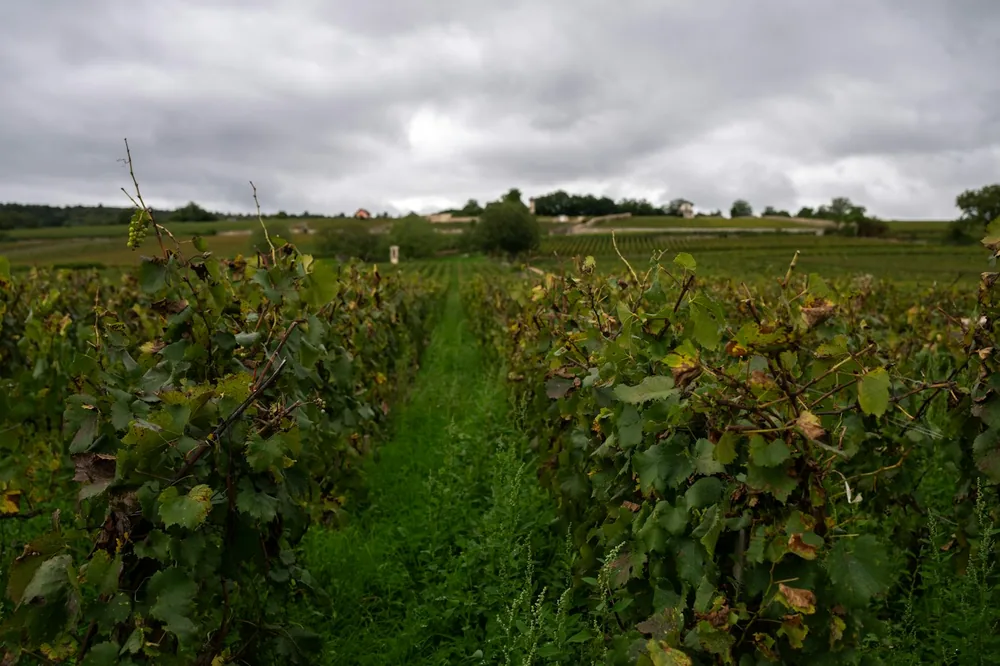
It can. Organic and biodynamic conversions carry their own transition periods and their own learning curve for cover crops, composting, and pest management, which sometimes lengthens the run-up to a first serious harvest. The University of California’s Organic Agriculture Institute publishes research on those transitions and on the practices they require.
Are the varieties named in older articles like this one still relevant?
Some became routine and some stayed niche, which is exactly what makes a decade-old prediction worth rereading. Our California grapes and styles guide and the parallel guide to Italian grapes and styles describe where those varieties stand, and the wine topics archive preserves the forecasts themselves.