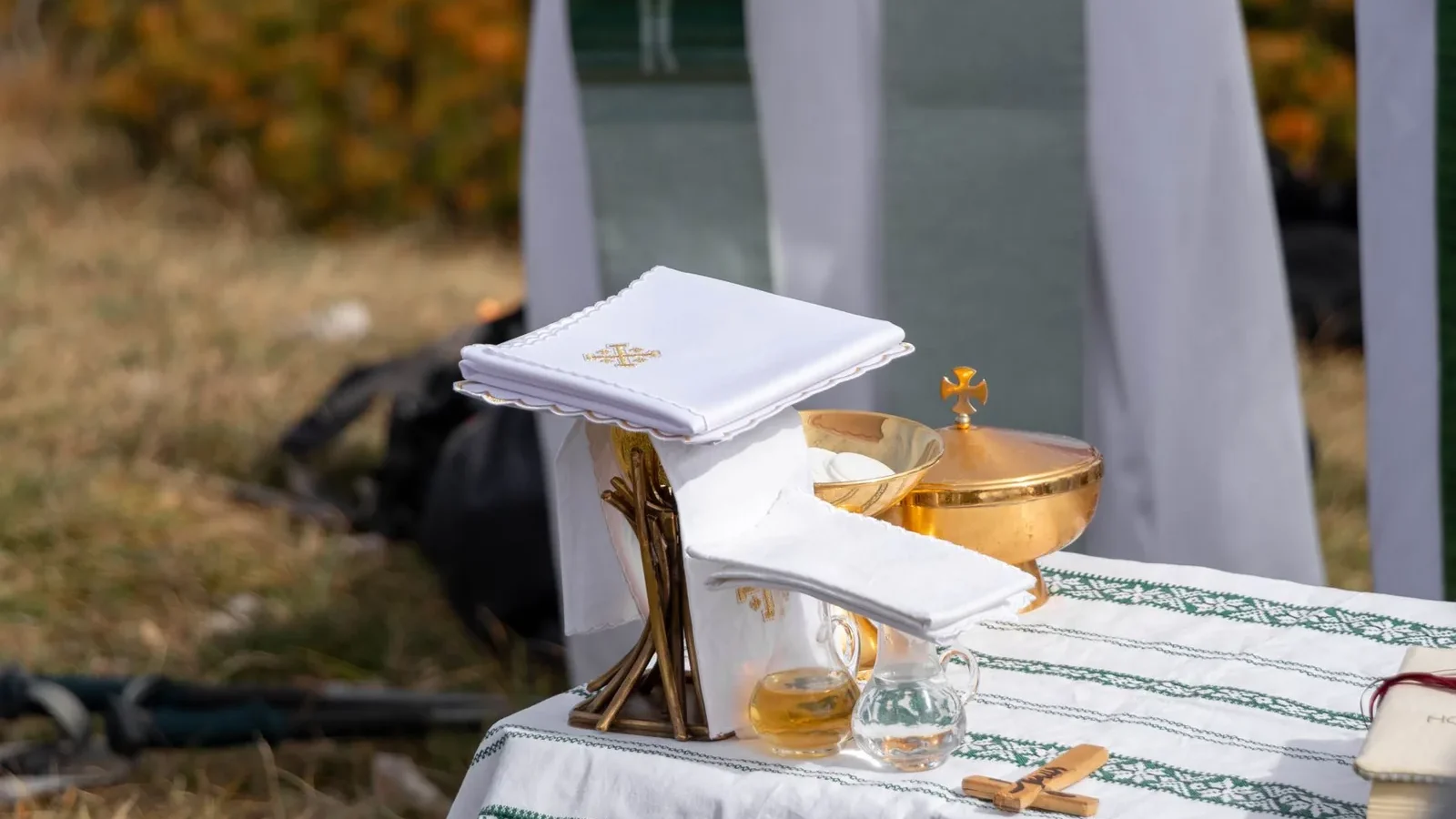
The recent visit of Pope Francis has been are markably hot topic in news media because of his reformist ideas, which emphasize good works rather than punishments and prohibitions. Whether we approve of his ideas or not, whether we admire the Church, despise it, or don’t care, we can at least support its attitude toward wine and beer. Not only is wine drinking a part of Catholic ritual as is true for other religions, but wine making is uniquely part of its tradition and continues to be important.
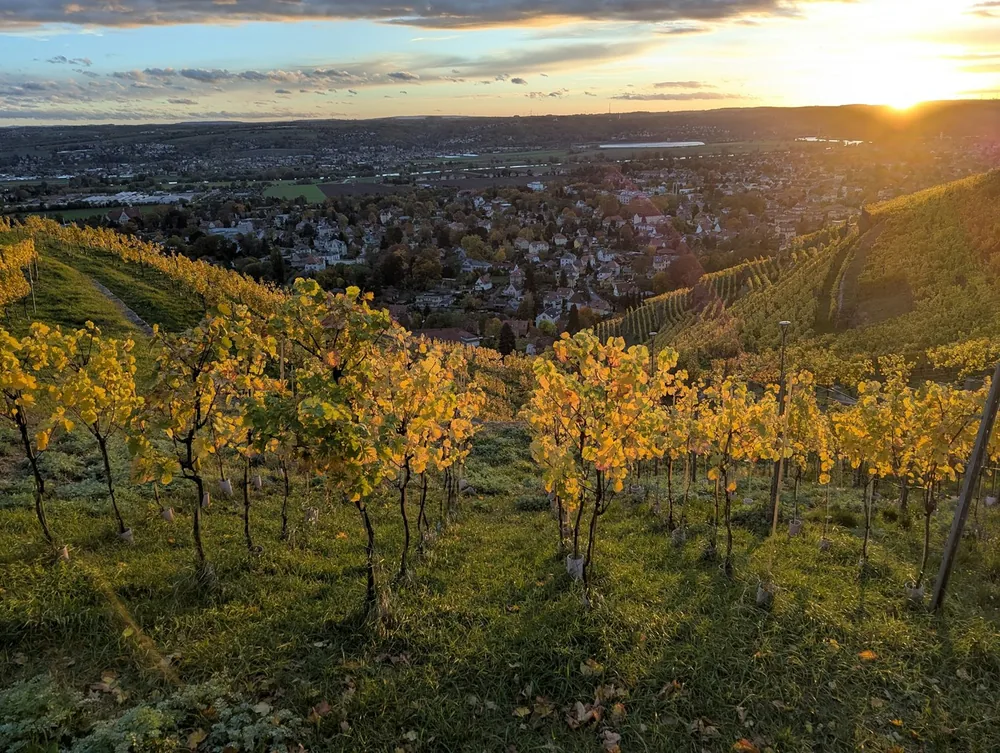
This summer the Fraternite of Notre Dame,a Catholic religious order of women outside of Chicago, submitted an application to McHenry County to build a brewery and winery, whose income would support a nursing home, hospice,and boarding school on their 95-acre site at Marengo.
The neighbors were not happy though, and800 signed a petition against the development.Lauren Eads, who wrote the story for The Drinks Business magazine, quoted the dismayed nuns,“They don’t understand how ‘God’s work’ could be fought so vigorously.” At last report, the battle was still raging, but the idea that making wine and beer is “God’s work” is one that most of us can embrace, regardless of our religious persuasion or lack of it.
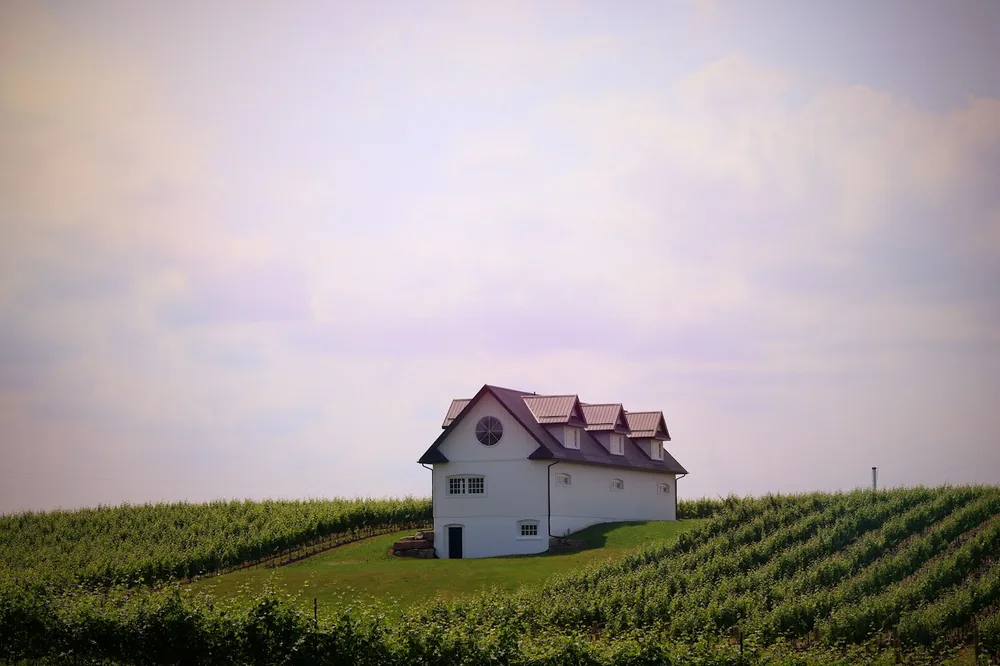
In the same article, Eads writes about a group of Trappist monks, the Brothers of St. Joseph’s Abby in Massachusetts, who set up a brewery outside of Boston. In Vina California, a Cistercian order of Benedictines is growing grapes and making Syrah.
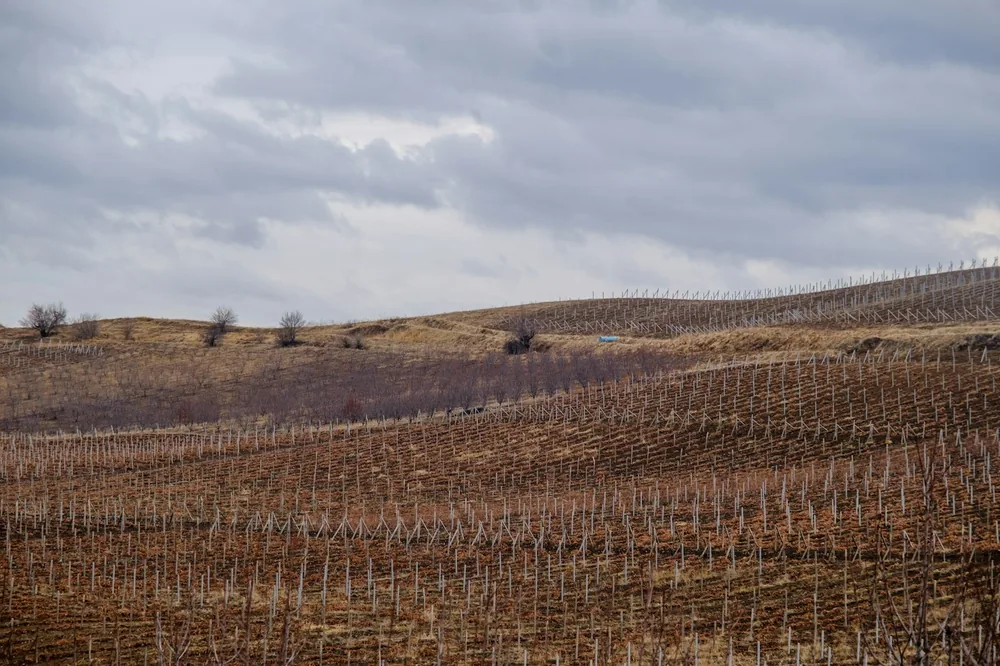
No doubt, anyone who has visited Napa,has toured venerable Christian Brothers Winery,established and run by Brother Timothy between 1945 and 1989. Today, it is the site of the Culinary Institute of America at Greystone.While not exactly common, similar winemaking establishments exist in the U.S, run by Catholic religious communities to support themselves and their work.
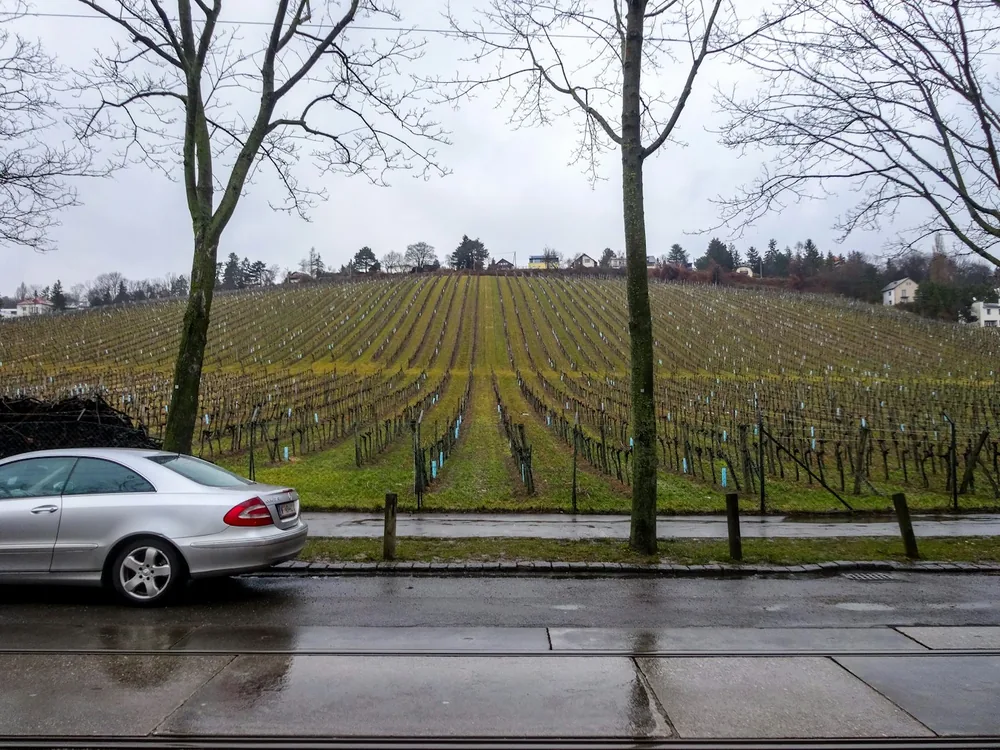
Wineries operated by the Church have always been prevalent in Europe, but a recent article in Wine News & Features from the AFP news agency indicates that the activity is taking on a new dimension. The Catholic Church has opened a bar in Northern France. Bar Canain Lille launched this summer to reach out to young people who might be happier meeting at a bar instead of at church. The bar is named for the first miracle of Jesus, turning water into wine at a marriage celebration.“
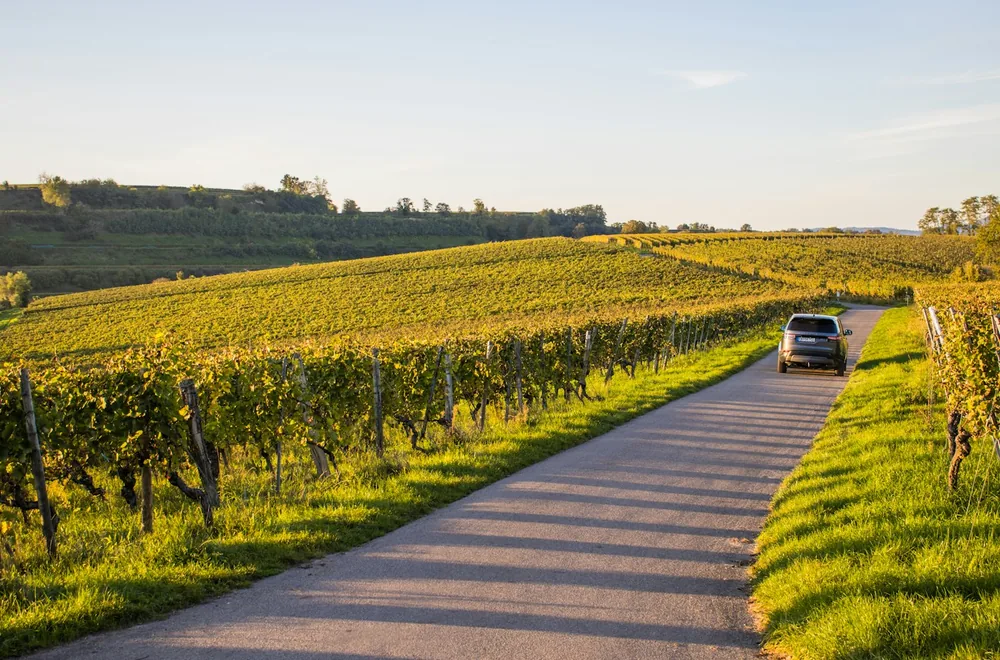
The project took two years of planning applications and a financial kick-start from the Church,” the article reports. Naturally, all thebeer and wine is made at Catholic abbeys and monasteries, and profits go to humanitarian projects in poor areas. As the article points out,“The bar does focus more on the ‘good works’ end of religion, rather than the ‘thou shalt not’ side.” Thank you, Pope Francis.
Why Monasteries Ended Up Making Wine
The connection between religious orders and viticulture was practical long before it was symbolic. Monastic communities needed wine for the liturgy, needed something to offer travelers who arrived at the gate, and needed income to support communities that produced nothing else for sale.
They also had the two things vineyards require most and that medieval Europe supplied least: continuity and literacy. A monastery outlived any individual, so a decision about which slope to plant could be tested over generations, and monks kept written records of harvest dates, yields, and quality when almost nobody else did.
The results were cumulative in a way that family holdings rarely managed. Where a farm might be divided among heirs or lost in a bad decade, a monastic estate accumulated land, observations, and technique across centuries.
The Orders That Shaped European Vineyards
Two orders in particular left marks that remain visible on modern wine maps. The Benedictines, whose rule balanced prayer with manual labor, held extensive vineyards across France, Germany, and Italy. The Cistercians, a reforming offshoot that sought remote and difficult land, ended up farming precisely the marginal hillsides that turn out to suit vines.
It was Cistercian practice to work individual parcels separately and record how each performed, which is the origin of the parcel-by-parcel vineyard classification that Burgundy still uses. The idea that one patch of hillside differs meaningfully from the patch beside it was documented by monks with time and reason to notice.
Their walled enclosures and cellars survive as working properties, and the story of monastic winemaking is a recurring subject in general history writing, including Smithsonian Magazine’s account of the monks associated with Champagne.
| Consideration | Monastic estate | Commercial winery |
|---|---|---|
| Purpose of the income | Supports the community and its charitable work | Returns to owners and investors |
| Time horizon | Measured in generations | Measured in seasons and loan terms |
| Labor | Members of the community, plus hired help | Employed and seasonal workers |
| Record keeping | Historically continuous, often for centuries | Modern and regulatory |
| Marketing | Minimal, often by reputation alone | Central to the business |
Hospitality obliged them to keep a good cellar as well. A rule that required the community to receive guests as it would receive a stranger of consequence made the quality of what was poured a matter of religious observance rather than pride, and standards rose accordingly.
Cellars were built to match. Vaulted stone rooms cut into hillsides held a steady temperature year round without fuel or machinery, and many are still in service beneath buildings that have changed hands a dozen times since.
Dissolution, Redistribution, and What Survived
Much of this landholding vanished in a few decades. The English dissolution of the monasteries in the sixteenth century, the French Revolution’s seizure of church property, and the secularization that followed across German and Italian states transferred vast vineyard holdings into private hands.
The vineyards themselves did not disappear; their ownership fragmented. Parcels that had been farmed as a single unit for centuries were divided among many owners, which is why some celebrated European vineyards now have dozens of proprietors working sections of the same walled enclosure.
What survived was the map. The boundaries drawn by monastic observation largely became the appellation boundaries that European law now enforces, as our overview of Italy’s wine regions reflects in the shape of its oldest designated zones.
The American Chapter
Religious orders were also central to the beginnings of winegrowing in California. Vines were planted at the Spanish missions to supply sacramental wine, spreading up the coast with the mission chain, and the grape used for that purpose was known for generations simply as the Mission grape.
Later Catholic institutions built substantial commercial operations, and several nineteenth and twentieth century winery buildings founded by religious orders remain in use today under other ownership. Some of that history is embedded in properties now devoted to teaching and hospitality rather than to production, a thread our guide to California wineries follows.
Prohibition made the church connection explicit again. Sacramental wine was among the narrow categories that remained legal, and a handful of wineries continued operating on that basis alone, which is part of why any continuous winemaking history in the United States runs through religious channels.
Religion and Wine FAQ
Is monastic wine different from any other wine?
Not in the glass. The grapes, the fermentation, and the aging follow the same rules as everywhere else. What differs is the ownership structure and where the proceeds go.
Why did brewing become the more familiar monastic activity?
Beer keeps poorly and travels badly, so northern communities brewed for their own consumption in places where grapes would not ripen. Latitude, not doctrine, decided which communities made which drink.
Do religious orders still run wineries and breweries?
Yes, in Europe and in the United States, though on a modest scale relative to the industry. The arrangement continues for the same reason it began, which is that it supports the community’s other work, a subject taken up repeatedly in our hot topics archive.