Californians are always talking about the weather, which no doubt seems strange to the rest of the world. Considering that the climate is temperate, most people might think that it would go unnoticed. Eliminating temperatures in the high mountains and the desserts, where few people live anyway, no snow falls and heat almost always stays under 100 degrees F. So what’s to talk about?
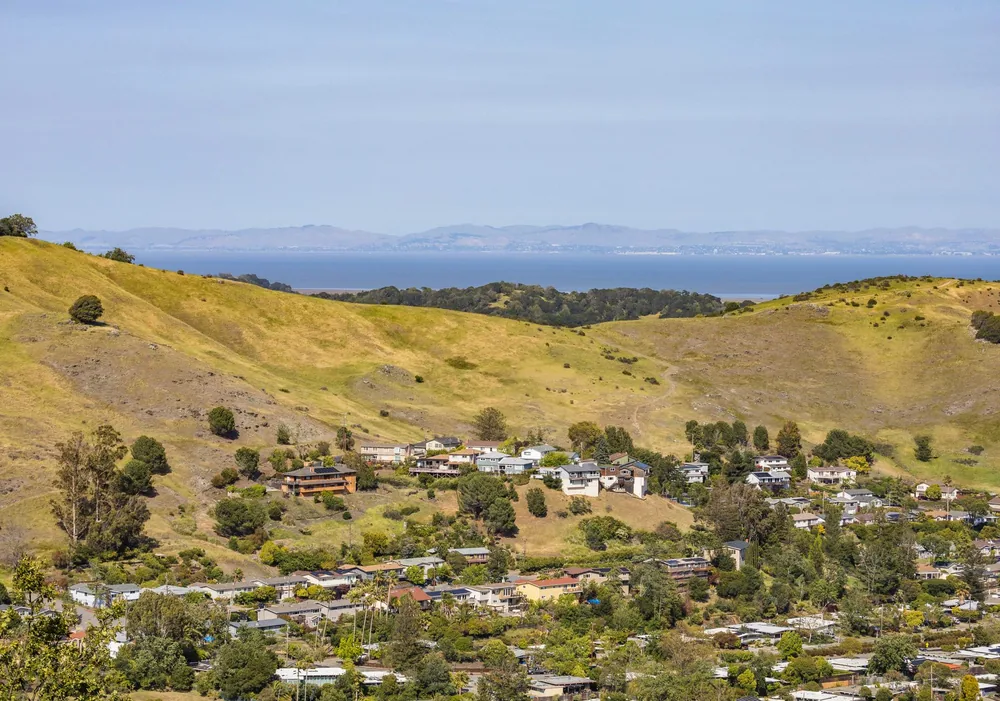
Most Californians live in coastal cities, and the closer we are to the ocean, the less we can anticipate what to wear. We never know what that strange mix of land and ocean temperatures will deliver, whether the wind will blow, the fog float in, the sun shine, or the rain fall, pretty much on any day during any season, a condition which can create plenty of weather conversation all by itself. But we also live in a state that is the top producer of agricultural products in the nation. After greenhouse and nursery products, grapes are the largest crop, and like humans, they are very sensitive to climate. So the reason we closely monitor the weather is that after trying to figure how much clothing we should layer on our bodies to accommodate all conditions between rain and heat, our second immediate concern is the wine in our glasses. And the weather is challenging its supply and style.
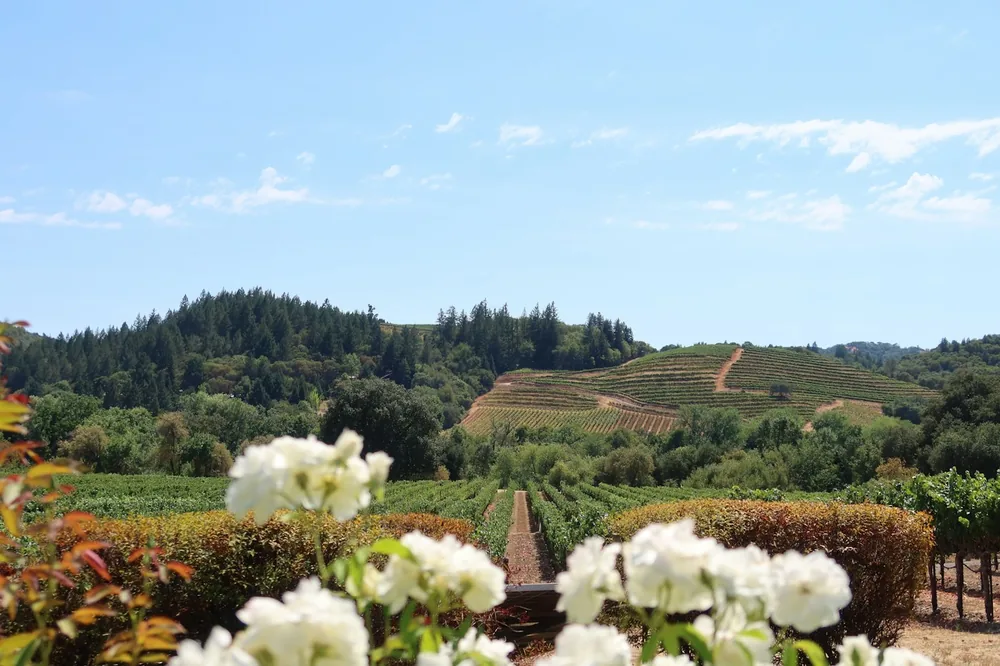
Triggered by temperature changes, buds break through the dormant vines in the spring. But this year, cold and rain conveyed a different message and delayed growth. In June, after buds had courageously popped, rain continued, disrupting flowering and then shattering grapes in their clusters after they appeared. As a result, crops will be down by a lot. Weather was off last year too, so now vintners are talking about demand exceeding supply. You know what that means. Prices rise for them and for us. They buy grapes, and we buy wine.
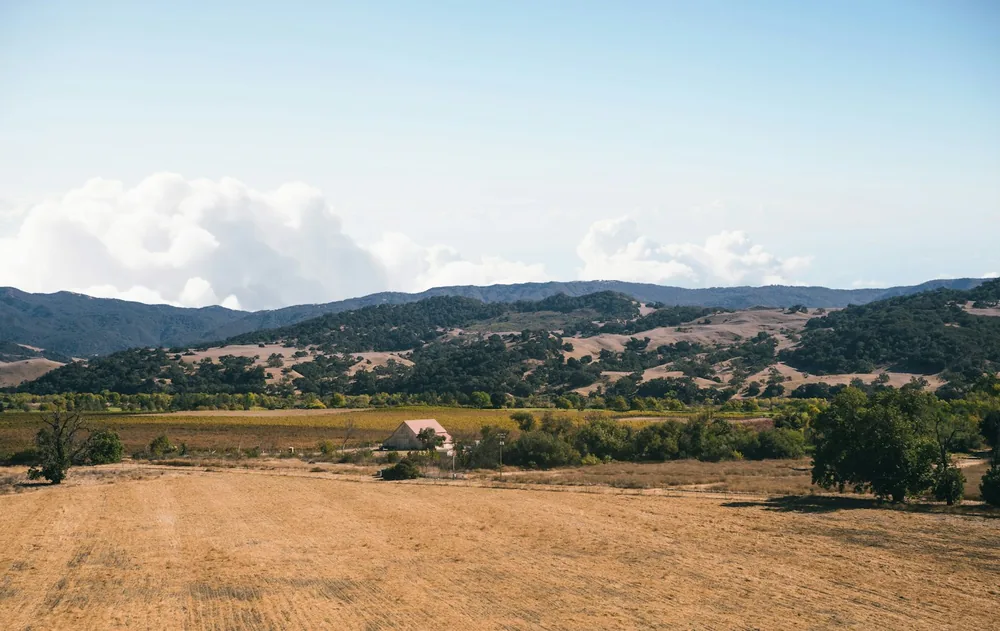
After that scary spring, July, August, and September failed to deliver summer weather. Yes, the season by-passed California. Only those with a direct line to the gods will know the reason. The weather was “unseasonably cool” as we say, without even a heat spike or two that could have pushed at least some left-behind vineyards into full ripeness.
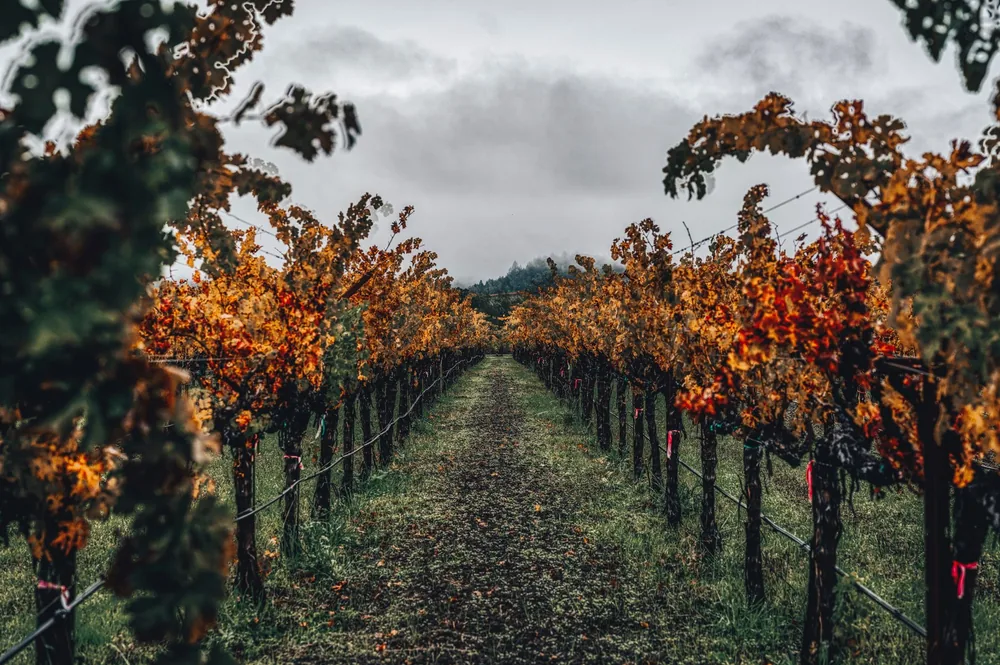
Yet we still had hope for a warm fall. Instead, the sky darkened and rain poured during the entire first week of October, which can dilute the fruit, diminishing quality, and create molds that further reduce crops. Some vintners rushed to pick ahead of the storm, especially whites and Pinot Noir, even though the grapes may not have been as ripe as they had come to expect from past years. In this situation, grapes in the tank are worth all those in the vineyard that may not survive. So the 15 and 16 percent alcohol wines that we have come to love may now be reduced to 13.5 percent like wines always were before the inky, fruity era indulged us with easy highs. I was in Sonoma several days ago and saw many red grapes still hanging on vines. If temperatures warmed and rain disappeared for the next few weeks, those reds would ripen further.
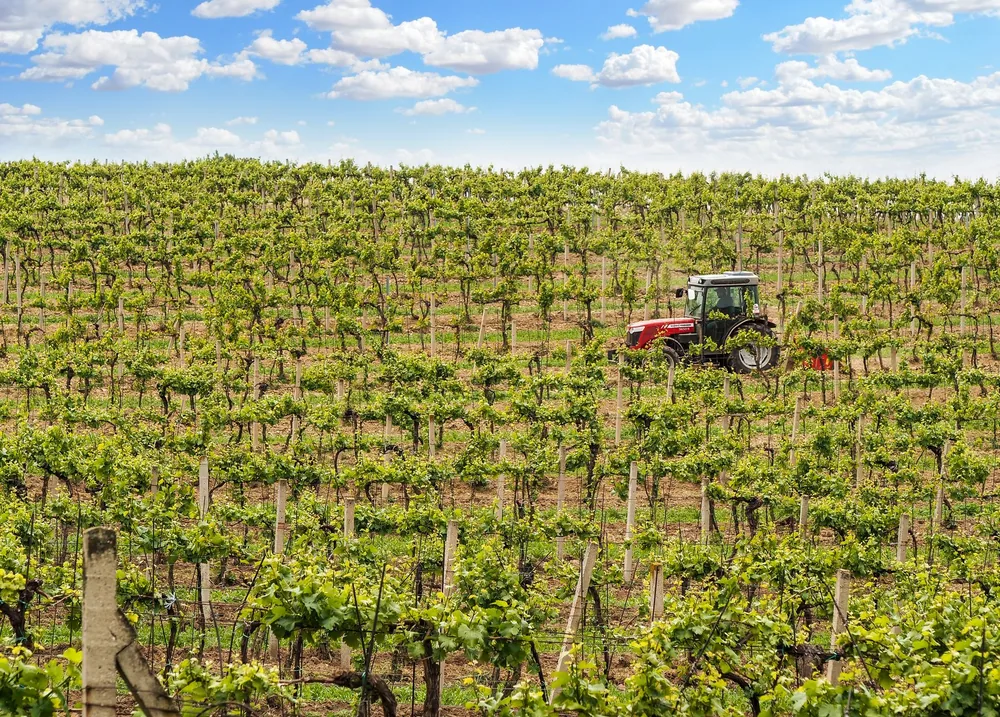
But regardless of any last minute warming spells, the question remains. California winemakers have become experts at picking extremely ripe fruit and wrestling the wine into balance with all kinds of magic. But do they remember how to create a balanced wine with fruit that is minimally ripe, at least by current standards? The vintage reports are just beginning to arrive. In the meantime, Californians will continue to talk about the weather.
What the vine is doing while everyone watches the sky
A grapevine’s year runs through a fixed sequence, and each stage has its own weather sensitivity. Budbreak responds to warming soil and air, flowering demands calm and mild conditions, veraison marks the switch from berry growth to ripening, and harvest arrives when sugar, acid and flavor line up. Cold delays the first stage and pushes everything behind it later into autumn, when daylight is shorter and rain is likelier.
Flowering is the stage that sets the size of the crop. Rain and wind during that narrow window interfere with pollination and produce clusters with missing or undersized berries, an outcome growers describe as shatter. Nothing later in the season recovers what those two weeks take away.
Autumn rain is a different threat. Water swells berries and dilutes what is inside them, and moisture sitting on tight clusters invites rot that spreads quickly. A grower facing a forecast has to weigh picking slightly underripe against losing fruit outright.
Why California talks about weather more than climate
The state’s coastal growing regions sit where cold ocean water meets warm interior valleys, and that contrast drives the fog and wind that make a single afternoon unpredictable. Two vineyards a few miles apart can experience different seasons because one sits above the fog line and the other below it. Averages describe the state poorly for exactly that reason.
Long records are what turn a strange year into a measurable one. The National Centers for Environmental Information maintain historical temperature and precipitation records by state and division, which is how a season that feels unusual gets confirmed as unusual. Growers use those baselines the way a doctor uses a chart.
| Factor | Cool season | Warm season |
|---|---|---|
| Harvest timing | Late, often pushed into rain risk | Early, sometimes compressed across varieties |
| Crop size | Often reduced by poor flowering | Usually full, occasionally excessive |
| Sugar at picking | Lower, so alcohol runs lower | Higher, so alcohol runs higher |
| Acidity | Retained, wines taste firmer | Falls, wines taste softer |
| Vineyard work | Leaf pulling and crop thinning to gain ripeness | Shading and irrigation to slow it |
The tools a grower still has in a difficult year
Crop thinning is the main one. Removing clusters concentrates the vine’s photosynthetic capacity on what remains, which advances ripening when heat is scarce. The judgment is difficult because the decision has to be made before anyone knows how the rest of the season will behave.
Canopy management is the second. Pulling leaves on the morning side of a row exposes clusters to light and air without scorching them, which speeds ripening and reduces rot pressure. Row direction, trellis height and shoot positioning all feed into the same calculation.
Sorting is the last defense. Fruit affected by rain or mold can be culled at the crush pad, by hand on a moving belt or by machine, so that only sound berries reach the tank. It is slow, expensive work that separates producers willing to lose volume from those who are not.
Picking decisions finish the work. Harvesting block by block rather than field by field lets a grower take the fruit that is ready and leave the rest, and separate fermentations preserve the choice of how to blend later. Our guides to California’s wine regions and to California grapes and styles describe how those decisions differ from one growing area to the next.
Vintage variation FAQ
Does a difficult vintage mean the wines are bad?
No. It means the range widens, with more variation between careful producers and careless ones than a generous year would show. Some of the most admired wines in California history came out of seasons the trade complained about at the time.
Why does alcohol drop in a cool year?
Alcohol comes from the sugar in the fruit at picking. Less accumulated sugar means less alcohol after fermentation, which is why cool seasons produce lighter, firmer wines.
Do smaller crops automatically make better wine?
Not automatically. A small crop caused by poor flowering carries no advantage, while a small crop created deliberately by thinning is a different thing entirely. The benefit comes from the timing and intent of the decision rather than from the number of clusters alone.