
The grape vine commonly furnishes our tables with wine, raisins, and fresh fruit. But get ready for many more of its gifts. Lately, the vine has offered grape seed oil, desirable because it burns at higher temperatures than other commonly used cooking oils. You might also have noticed the appearance of grape seed oil and other grape products in cosmetics, soaps, and moisturizers, marketed by big companies like Lanc�me, Biotherm, Clarins, Shu Uemura, and Aveda, among others. These new products are inspired by perceived health benefits and the availability of an enormous amount of waste that remains after wine is made.

At a time when �reuse, recycle, and reduce� are motivating innovation, the vineyard waste stream inspired Barbara Banke, chairwoman of Jackson Family Wines, and Chalk Hill Winery co-founder Peggy Furth to launch WholeVine, an enterprise that is attempting to convert seeds, skins, leaves, and canes into culinary oils, artisan flours, paper, textiles, cosmetics, and food coloring.
�As we looked at our wine companies, we talked about the total annual production of a grapevine and how to find value in what we throw away,� Peggy Furth explained to Jeff Quackenbush of the North Bay Business Journal. The Jackson Family coastal wineries alone produce four million pounds of seeds annually, and to convert them into other products would provide both financial and environmental benefits.
Banke and Furth are devoting impressive resources to their project. They�ve set up a 17,000 square-foot production and development facility in Sonoma County and enlisted the help of food scientists at Jackson Family Wines and the University of California, Davis, as well as artisan food experts. The Sonoma facility employs seed driers that can handle 500,000 pounds. Oil is then squeezed from the seeds, which are dried further and milled into flour. Initial products will be 16 variations of high-protein, high-fiber flours milled from the seeds or skins of five different winegrape varieties, a line of cookies made from four of these flours, and eight varietal culinary oils.

In their beginning stages of development, each product is expensive and will require premium markets, at this point commercial bakers and chefs. When products begin to generate revenue, Banke and Furth expect to donate a significant portion of the proceeds to local children�s organizations.
We have been focusing on the grapes in our glasses, but eventually the fruit could constitute the bread on our plates, the cream on our faces, and the clothes on our backs. Grapes matter!
What Is Left After the Press
Winemaking removes juice and leaves behind skins, seeds, and stems, collectively called pomace. Red winemaking produces it after fermentation, since the skins have already given up their color and tannin, while white winemaking produces it beforehand. Add the stems removed at destemming and the lees settled out later, and a working winery generates solid material by the ton every autumn.
Traditionally most of it went straight back onto the land as compost, which is still the simplest and most common route. Composted pomace returns organic matter and nutrients to vineyard soil and improves its structure and water-holding capacity. The interest described in this newsletter was in what else those solids might become before they get there.
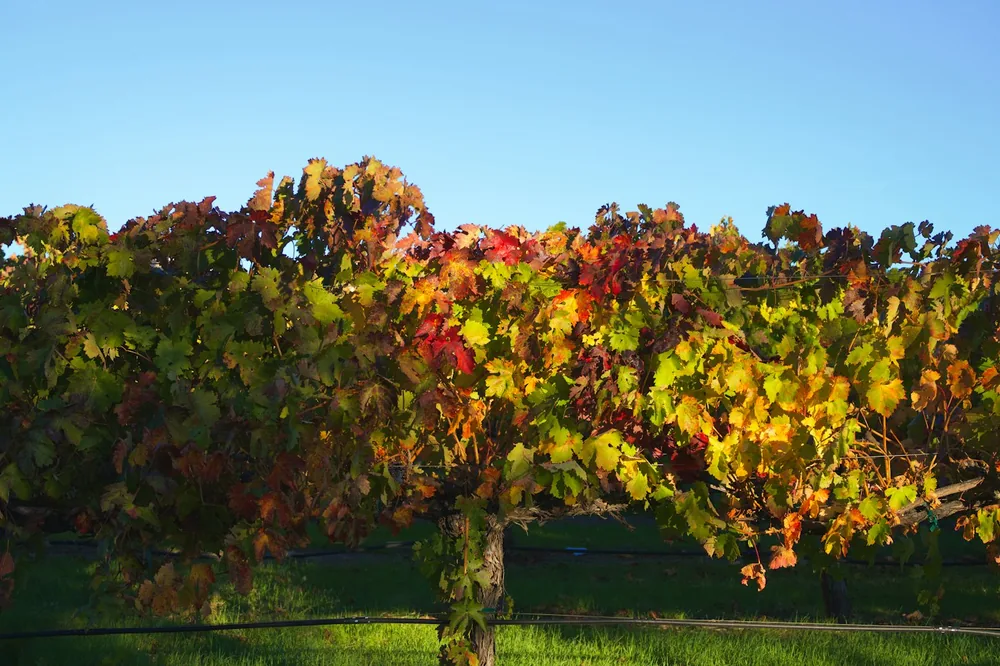
Seeds, Skins, and Stems Are Different Materials
Seeds carry oil and tannin, skins carry pigment and fiber, and stems carry mostly lignified structure. Separating them is the first step in any higher-value use, and it is the reason a dedicated facility is needed rather than a compost pile. Drying has to happen quickly, because wet pomace ferments and spoils within days.
| Consideration | Composting | Seed oil and flour | Distillation |
|---|---|---|---|
| Material used | All of it, including stems | Dried seeds and skins | Fermented skins and residual sugar |
| Processing required | Minimal | Drying, pressing, milling | A licensed still |
| Where the value goes | Back into the vineyard | Food and cosmetics markets | Spirits |
| Scale needed | Any winery | Substantial and consistent volume | Regional collection |
| Main constraint | Space and time | Capital cost of the facility | Regulatory licensing |
Grappa and the Older Version of This Idea
Italy has been extracting value from pomace for centuries by distilling it into grappa, a spirit made specifically from the pressed skins rather than from wine. It exists because throwing away anything fermentable made no sense in a subsistence farming economy. Regional grappa traditions follow the local grapes closely, which is why the styles vary so much from north to south.
Tartrates are another old recovery. The crystals that form in tanks and on corks are potassium bitartrate, refined into the cream of tartar sold for baking. Wineries have supplied that trade for as long as there has been an industrial demand for it.
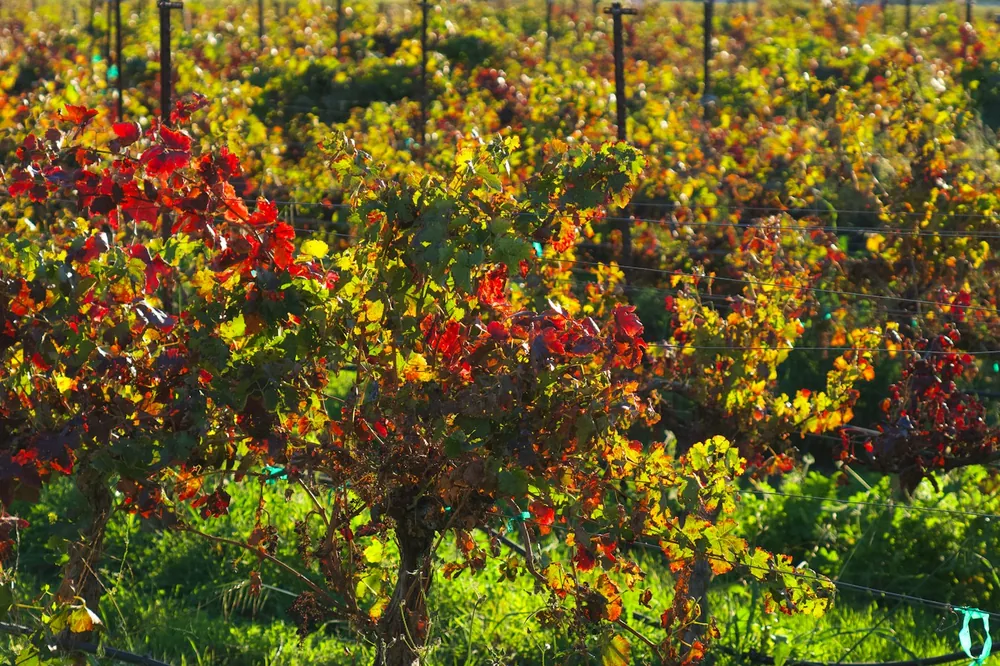
Why Byproduct Projects Are Hard
Volume arrives all at once. A winery’s entire annual output of pomace appears within a few weeks of harvest, and any process depending on it must either run flat out for a month or store material that spoils quickly. Drying capacity, not demand, is usually the limiting factor.
Quality varies too, since pomace from different varieties, pressing regimes, and fermentation lengths is not interchangeable as a raw material. Food-grade uses add handling and testing requirements that a compost heap never faced. Those constraints explain why such ventures need scale and capital rather than enthusiasm alone.
The wider framework for decisions like these, which weighs feeding people, feeding animals, and returning material to soil ahead of disposal, is set out in the Environmental Protection Agency’s wasted food scale. Composting sits low on that scale but remains far better than landfill, and for most wineries it is the practical answer.
Grape Seed Oil in the Kitchen
The property that makes grape seed oil useful for cooking is its high smoke point, which lets it handle searing temperatures without breaking down. It is also neutral in flavor, which suits it to dressings where a strong olive oil would dominate. Like other polyunsaturated oils, it oxidizes over time and keeps best cool and dark.
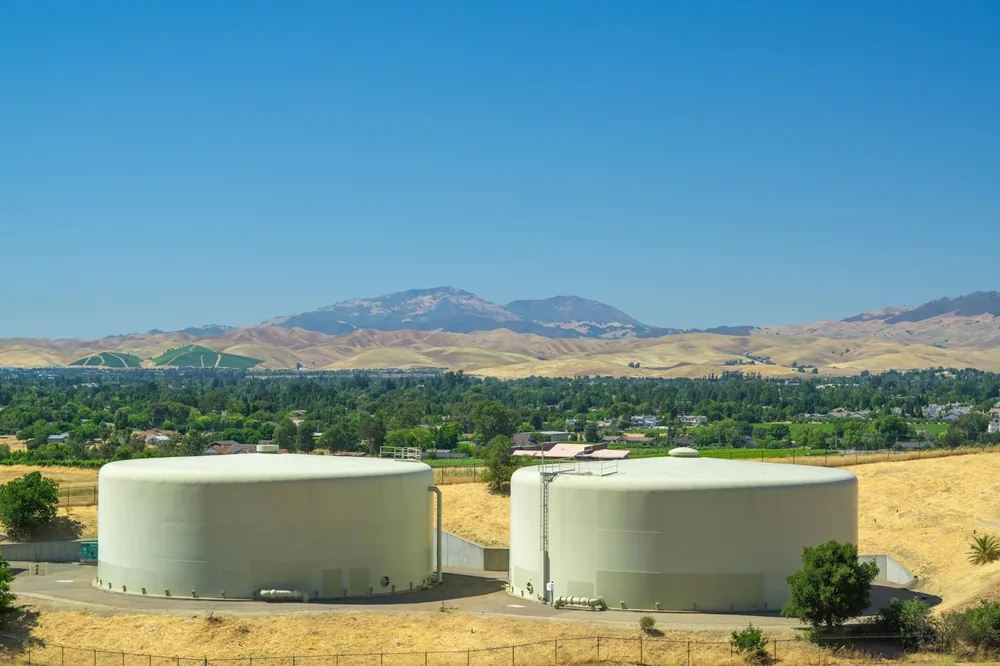
Seed flours behave differently from grain flours because they contain no gluten and a great deal of fiber, so they are used as a proportion of a mix rather than as a direct substitute. Their color also carries into whatever they are baked into. Those constraints are why commercial bakers were the first market rather than home cooks.
Where This Sits in California Farming
Sonoma County, where the facility described above was built, has the concentration of wineries needed to make a regional processing operation viable. That geography is part of the story, since transporting wet pomace any distance is expensive and time-sensitive. The county’s role in California winegrowing is traced in the Sonoma County region guide and in the broader California wine regions guide.
The Italian side of the same tradition, where distilling and reusing pomace is simply how things have always been done, runs through the Italian grapes and styles overview. Both point in the same direction: very little of a grape harvest was ever meant to be thrown away.
Winery Byproducts FAQ
Is grape seed oil made from wine grapes?
Much of it is, since wine production is where large quantities of seeds accumulate. Seeds are separated from dried pomace and pressed or extracted for their oil. The remaining seed meal is milled into flour.
Can pomace be fed to livestock?
It is used as a feed supplement in some regions, though its high fiber and tannin content limit the proportion of a ration it can make up. Suitability varies with the animal. Composting remains the more common destination.

What happens to the water a winery uses?
Cleaning tanks and barrels accounts for most of it, and wineries treat and often reuse that water for irrigation or dust control. Water management is one of the criteria in sustainability certification programs. It is a bigger operational issue than pomace at most properties.