
You know there’s trouble on the ground when California winemakers describe the fruit they’ve just harvested as having “outstanding” acid, a descriptor that they would have used for the fruit itself in a normal year. The California wine advocacy group Wine Institute with 1000 members publishes a harvest report at the end of each year, describing the harvest in all California wine regions. In a concerted effort to accentuate the positive, the unanimous opinion of winemakers, who contributed to the report, was that the harvest had fine acidity, necessary for a balanced wine but also an indication that fruit didn’t ripen as expected. The larger the wine entity, the more optimistic it became. Greg Fowler, senior vice president of operations for gigantic Constellation Wines U.S. said, “…overall, 2010 is going to turn out to be a beautiful year for wine,” whether just his or everybody’s was unclear. Another senior vice president, Jay Indelicato from Delicato Family Vineyards said delicately, “I am very optimistic about the quality of the 2010 vintage.” The Gallo Family was conspicuous by its absence in the report, but regardless of vintage accolades or difficulties, that family always has a good year. Wine must be made and sold, independent of Mother Nature, and consumers must not be discouraged by bitter truth or wine.
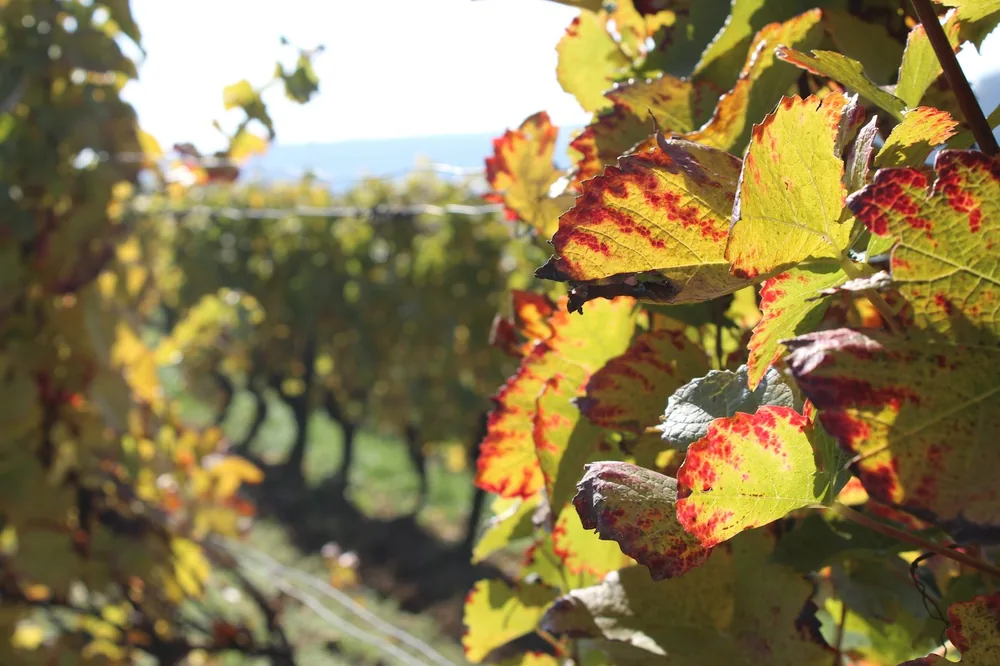
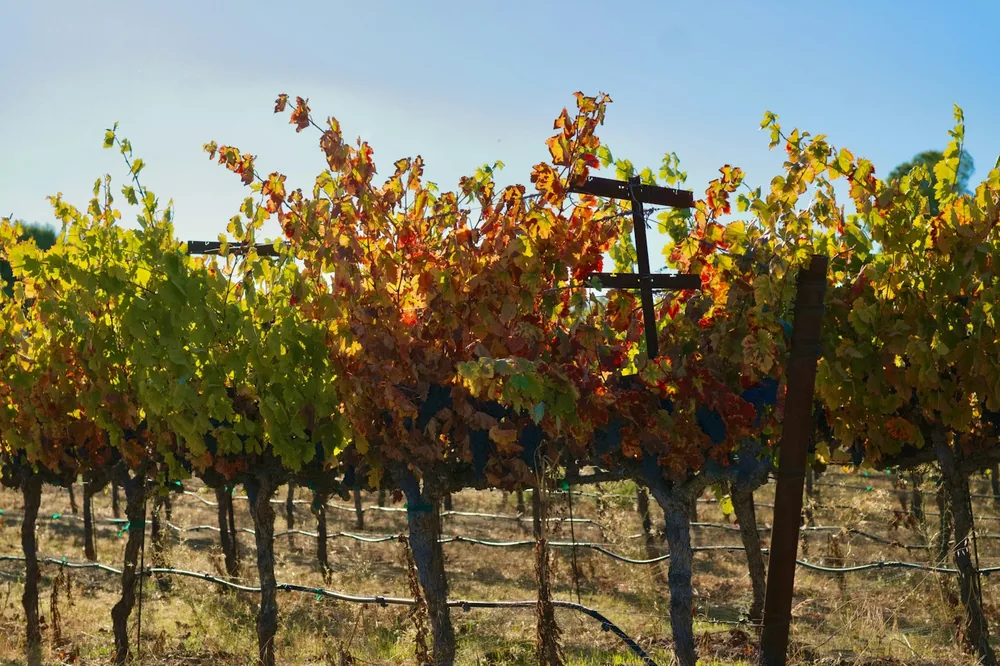
Whether the 2010 California vintage is good or not will also depend on how you like your wines. If you like them big, rich, and ripe, you may be disappointed. Everyone in the report acknowledged that this was a mighty cool spring, summer, and fall, the coolest in 12 years according to Steve Lohr from J. Lohr Vineyards & Wines in Monterey. And according to Michael Blaylock, winemaker at Quady Winery in Madera, veraison was the second latest in 17 years. In other words, veraison or the transition from berry growth to berry ripening, a point that winemakers often refer to, occurred extremely late in the growing season. All the talk about outstanding acidity means that especially late-ripening fruit like Cabernet Sauvignon and Syrah did not ripen to its usual high brix or sugar at harvest. In cool years, winemakers hope that rains will be late so that they can leave grapes on the vine to ripen further even into November. But this year, that option was non-existent in many locations because California experienced rains in late October. Water on the fruit clusters at that point will promote mold, so winemakers were forced to pick.
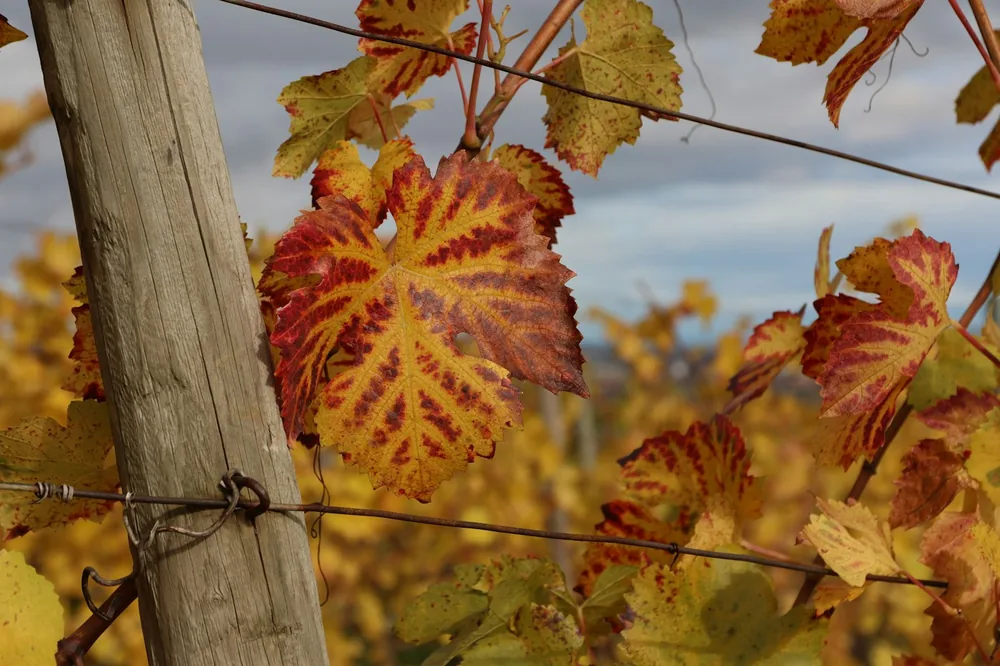
But if you like your wines like your vegetables, a bit undercooked and crunchy, this is your vintage. All the talk about high acids in the fruit and lower sugars implies that the wines will be leaner and more elegant, especially from areas where early rain didn’t hit, and the fruit spent a longer time on the vine. The longer it spends dangling below its leafy shelter, the more opportunity the fruit has to develop deeper and intense varietal flavors. Pinot Noir will taste more like Pinot Noir, Cabernet more like itself, Zinfandel more like Zinfandel. In hot years when growers are forced to pick earlier, fruit can ripen before it develops enough of its characteristic flavors. Warmer regions, like Lodi, which saw cooler temperatures, will be very happy with their results.
Years like this one separate the artists from the technicians, and the artists are the ones who are capable of outwitting Mother Nature and producing beautiful wines. For example, ripening fruit in a cool year involves thinning the crop. Sugars are made in the leaves through photosynthesis, which takes place in the presence of light and heat, and those sugars then transmigrate to the fruit. So the gifted viticulturist somehow intuits that the growing season will continue to be cool and drops fruit, leaving only what he or she imagines the vine can ripen. There is no formula for this activity, yet it is crucial. After the harvest, the artistic winemaker then takes over, and he or she disguises any deficiency that the viticulturist may have overlooked. Between the two of them, they can make beautiful wine despite the lack of cooperation from Mother Nature.
How a harvest report gets assembled
A year-end harvest report is a survey rather than a measurement. A trade association asks members across the growing regions to describe their season, then edits the responses into a regional narrative, which is why the language runs optimistic and the adjectives repeat. It appears while the wines are still in tank or barrel, long before anyone can judge the results.
Harder numbers arrive later, when the state publishes tonnage and average sugar figures by variety and district. The Wine Institute keeps a public set of industry statistics on California wine covering production, shipments and related measures. Reading a narrative report alongside those figures is more informative than reading either alone.
What the harvest numbers actually describe
Brix measures dissolved solids in the juice, most of which is sugar, and it predicts the alcohol the finished wine will carry. Titratable acidity measures how much acid is present, while pH describes how strong that acid is in solution and affects color, microbial stability and how much sulfur dioxide a wine needs. The three move together but not in lockstep, which is why a grower tracks all of them.
Flavor ripeness is the fourth variable and the only one without a meter. Tannin in the skins and seeds softens as the season advances, herbal notes fade, and varietal character emerges, all on a schedule that sugar accumulation does not necessarily match. A grower waiting for flavor in a cool year is watching sugar stall while the calendar advances toward rain.
| Measure | Cool season | Warm season |
|---|---|---|
| Sugar at picking | Lower | Higher |
| Acidity | Retained | Falls as ripening advances |
| Finished alcohol | Lower | Higher |
| Harvest date | Late, with rain risk | Early, often compressed |
| Wine style | Leaner, firmer, more overtly varietal | Rounder, riper, softer |
Both kinds of information age differently as well. A narrative report captures what growers believed while the fruit was still coming in, which makes it a useful record of expectations even when the wines later contradict it. The statistical series stays accurate but says nothing about how anything tasted.
Why the same season treats regions differently
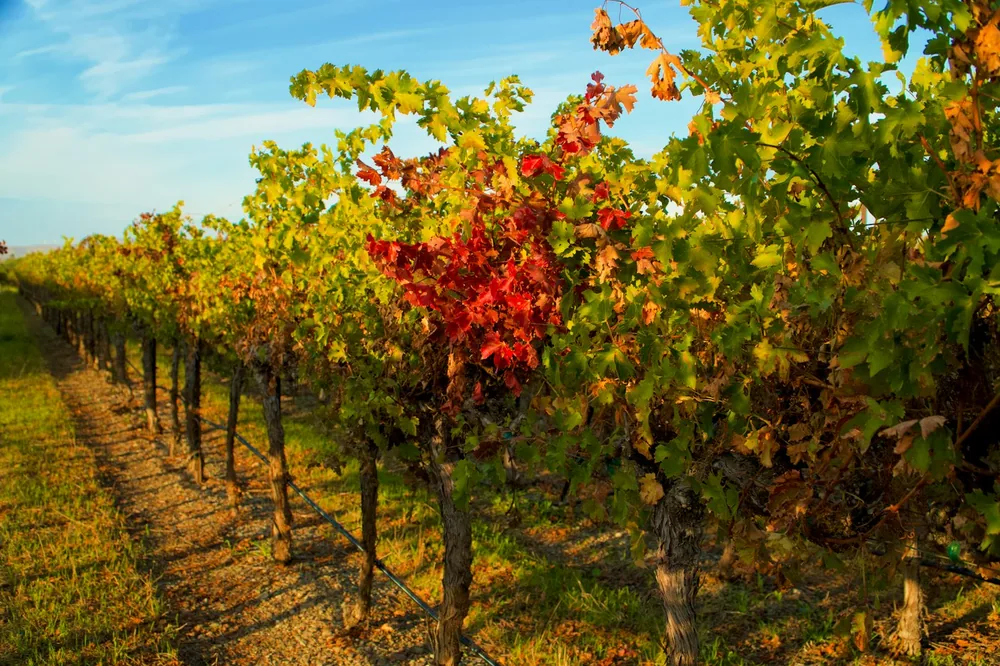
California’s growing areas differ so widely that a single weather pattern helps one and hurts another. A cool summer that leaves a coastal vineyard short of ripeness can be exactly what a hot interior district needed, preserving acidity that normally disappears by September. That is the reason a statewide verdict on a vintage is nearly meaningless.
Warm inland districts illustrate the point plainly, and our guide to the Lodi wine region describes the conditions that make a cool year welcome there. The broader picture is laid out in our overview of California’s wine regions, and the varietal side in our guide to California grapes and styles.
Reading a vintage report: FAQ
What does veraison mean?
It is the point when berries stop growing and start ripening, softening and changing color. Its timing is the earliest reliable clue to when harvest will arrive, which is why growers note it carefully each year.
Does high acidity make a wine taste sour?
Not by itself. Acidity gives a wine freshness and definition, and it reads as sour only when the fruit behind it is too thin to balance it. The same measurement can taste bracing in one wine and harsh in another.
Should anyone avoid a vintage a report described as difficult?
No. Difficult years widen the gap between careful and careless producers rather than ruining everything, and they often produce the most distinctive wines of a decade.