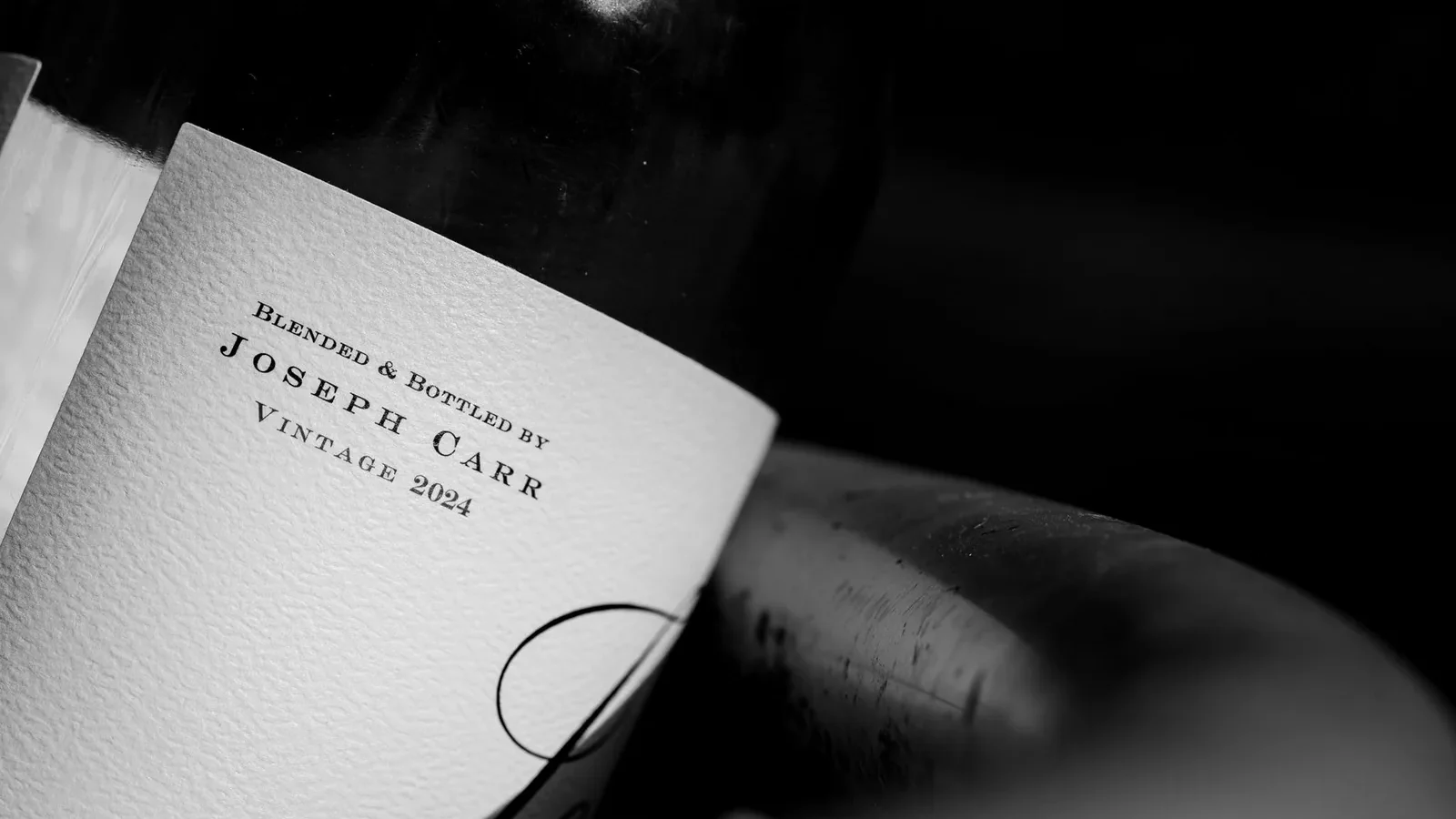
Do wine labels confuse you? For the majority of wine novices labels can be a bit confusing, but armed with a bit of knowledge, shopping for wine becomes much more enjoyable! Rule #1; know your bottle’s purpose! Are you serving it with dinner, having a casual glass with friends, or, is it a gift? This is a very important step, as you don’t want your wine clashing with dinner!

Different countries have different standards for labeling their wines. Even more confusing is that in the U.S., different states have adopted their own supplemental labeling laws. Yes, this can become very befuddling! This month our topic of wine labels will focus solely on California as they have some of the strictest label requirements of the wine world!
All labels will have the brand name. If a brand is not listed on the label, then the name of the bottler is listed as the brand. Wine labels tell us a great deal about a wine! First and foremost they tell us what type of wine you are purchasing. The wine type is required. This may be identified by varietal (U.S. and a few other countries, or by region (typically seen in European wines).
The wine’s appellation of origin is also mandatory. Appellations of origin are generally counties or states where the grapes originated. In order to be considered an appellation of origin, at least 75% of the grape must have originated from that area. For AVA (American Viticultural Area) at least 85% of the grapes must have originated from the named area. In addition, 100% of the grapes must have been grown in California to be allowed to use an appellation of origin or a geographical subdivision from the state.
Special designations such as Private Reserve, Special Selection or Estate Bottled can often be found on the label. These descriptors are used to indicate qualities that set this particular bottle apart from the rest.
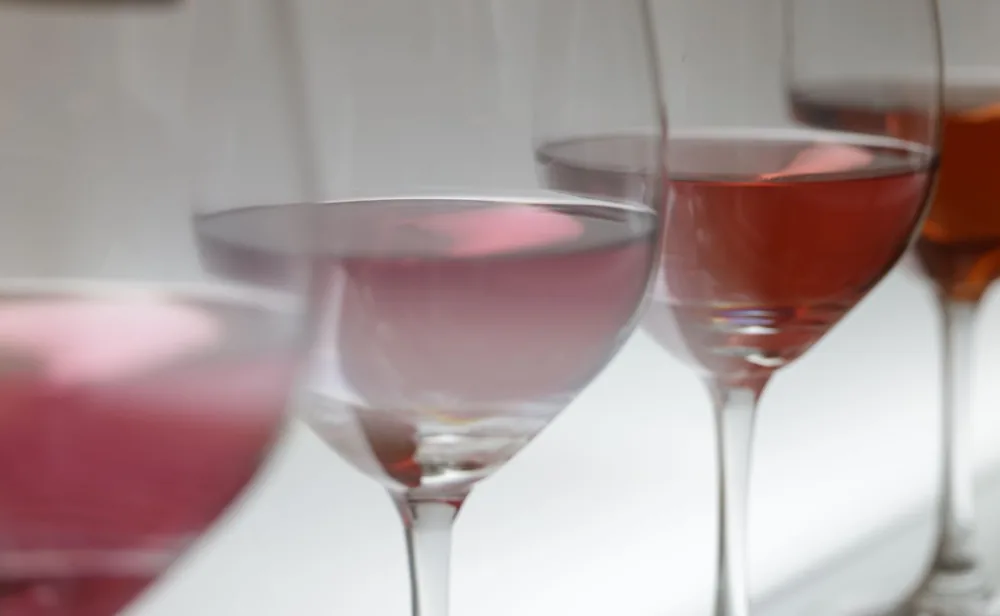
The vintage designates the year in which the grapes were harvested. It is not mandatory that the vintage be listed on the label as it very common for the bottler to mix their vintages. If more than 15% of the wine is from another vintage then it is not allowed to be labeled with that designation.
We’ve only just skimmed this topic. There’s a lot to know about reading a label and selecting a wine!
The Federal Layer Underneath a California Label
Before a wine reaches a shelf, its label generally needs a certificate of label approval from the Alcohol and Tobacco Tax and Trade Bureau. That review checks that mandatory information is present, legible, and correctly placed, and that nothing on the label is misleading. State rules sit on top of that federal baseline rather than replacing it.
The mandatory items are a short list: brand name, class or type designation, alcohol content where required, net contents, the name and address of the bottler or importer, a sulfite declaration, and the government health warning. Everything else on the bottle, including vineyard names, reserve language, and back-label prose, is optional. The bureau’s illustrated guide to the anatomy of a wine label shows where each element sits.
The Percentage Rules
Most of the confusion around labels comes down to thresholds. A wine named for a grape variety must contain at least 75 percent of that variety, which leaves room for a quarter of the blend to come from elsewhere. An appellation of origin requires 75 percent of the grapes from that place, while an American Viticultural Area requires 85 percent.
Vintage dating has its own thresholds. A vintage date requires 95 percent of the wine to come from that year when the appellation is an American Viticultural Area, and 85 percent when the appellation is a state or county. Those numbers exist so that a small amount of blending for balance does not invalidate an otherwise honest label.
| Statement | Legally defined? | What it tells you |
|---|---|---|
| Grape variety | Yes | At least 75 percent of the wine is that grape |
| Viticultural area | Yes | At least 85 percent of the fruit grew there |
| Vintage date | Yes | 85 or 95 percent from that year, by appellation |
| Estate bottled | Yes | Grown, made, and bottled by one winery in one area |
| Reserve | No | Whatever the producer intends it to mean |
Estate Bottled Versus Everything Else
Estate bottled is the most demanding of the common designations. The winery must be in the named viticultural area, must control the vineyard the fruit came from, and must crush, ferment, finish, age, and bottle the wine on its own premises without the wine leaving that property. It is a statement about control of the whole process rather than about quality.
By contrast, terms like reserve, private selection, and old vine carry no federal definition for American wine. A producer may use them consistently and meaningfully, or not. The only way to know is familiarity with that producer’s range.
Where the Place Names Come From
An appellation on a California label points to a defined piece of ground, and the boundaries of those viticultural areas were argued out petition by petition on the basis of climate, soil, elevation, and historical usage. Reading a label therefore becomes a lot easier once the places behind the names are familiar, which is the purpose of the California wine regions guide and the more detailed Napa Valley region guide.
European labels often invert the American logic by naming the place and leaving the grape unstated, because regional rules already dictate which varieties may be planted. That is why a label from one country tells you the grape and a label from another tells you the village. Neither approach is more informative once the convention is understood.
The Two Statements Nobody Reads
Every American wine label carries a sulfite declaration once total sulfur dioxide reaches ten parts per million, which covers nearly all wine because fermentation itself produces some. The declaration is an allergen notice for a small group of sensitive people rather than a warning about additive levels. Sulfur dioxide has been used to protect wine from oxidation and spoilage organisms for centuries.
The government health warning is fixed in wording and placement and must appear on every container. Because the text is identical everywhere, most drinkers stop seeing it. Between them, these two statements account for a good share of the small print that makes labels look crowded.
A Practical Order for Reading a Label
Start with the appellation, which tells you the climate and therefore the likely style. Then take the variety or class, then the vintage, and only then the producer’s descriptive language. Alcohol content, printed somewhere on nearly every bottle, is a useful final check on body and ripeness.
Back labels are unregulated apart from the mandatory statements, so treat the prose as marketing and the numbers as fact. Building that habit is part of the wider ground covered in the wine skills and knowledge guide.
Wine Label FAQ
Why do some bottles not show a vintage year?
Because the wine was blended across more than one harvest, either for consistency or to make better use of available lots. Non-vintage wines are the norm in some categories and are not inherently lesser. Without a vintage date, the appellation rules on blending years do not apply.
Does the alcohol figure have to be exact?
Labels are allowed a tolerance around the stated figure, so the number is close rather than precise. It still separates a light wine from a powerful one at a glance. Wines above 14 percent must state a numerical figure.
What does the bottler’s address actually tell you?
The phrasing matters more than the town. Produced and bottled by indicates the named winery fermented most of the wine, while cellared and bottled by or vinted and bottled by indicates the wine was bought and finished elsewhere. Those phrases are defined, and they are one of the more revealing parts of any label.