
Did you know that it is estimated that 90% of wine made in the U.S. is produced in California? Incredible! How did this incredible legacy and industry begin? The first recorded vineyard being planted was done so in 1683 by a Spanish Jesuit Missionary named Eusebio Francisco Kino. The first variety was name “Misionero” and was planted in Baja California.
In 1779 Franciscan missionaries led by Father Junipero Serra planted California’s first sustained vineyard at Mission san Diego de Alcala. The Father would found eight other California missions, planting grapes and producing wine at each one. He would be ultimately called the “Father of California Wine”. The variety he planted, probably coming from Spain, became known as the Mission Grape and would become the dominate grape in California until 1880’s.
In the 1880’s commercial viticulturists primarily based in Southern California would begin importing European wine vines and began planting them in the Los Angeles area. The first commercial wine maker is believed to be Jean-Louis Vignes in 1833. He and William Wolfskill, another early commercial wine maker, would be pioneers of California wine production.
Up until the 1850’s, wine production would be limited to mostly Southern California, but then came the California Gold Rush. Between January 1848 and December 1849, San Francisco’s population went from 1,000 to 25,000 new citizens. Their thirst for wine would bring commercial production northward into the San Francisco region. Areas like Sutter County, Yuba County, El Dorado, and more began planting vineyards and producing wine.
California’s biggest challenge during the early years came not from some nefarious infestation or disease, but from prohibition. The 18th Amendment would forbid the sale or transport of intoxicating liquors. In order to save the varietals, many winegrowers began growing small vineyards at home and became notorious bootleggers.
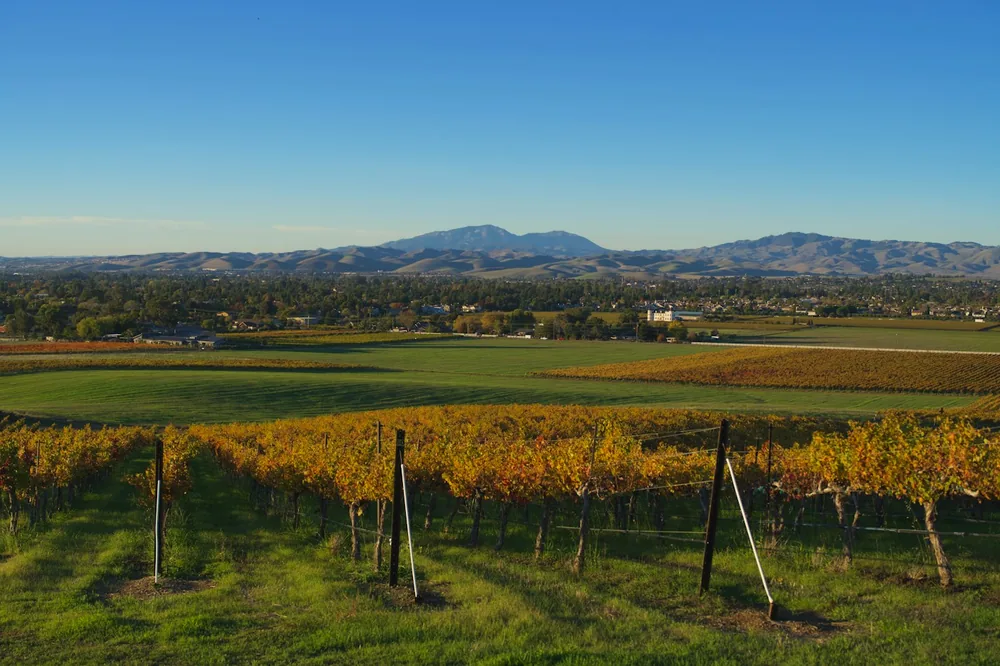
With the repeal of prohibition, the winemakers would begin replanting their vineyards, but the high quality grapes that had made California so famous would not be reproduced until the early 1970’s.
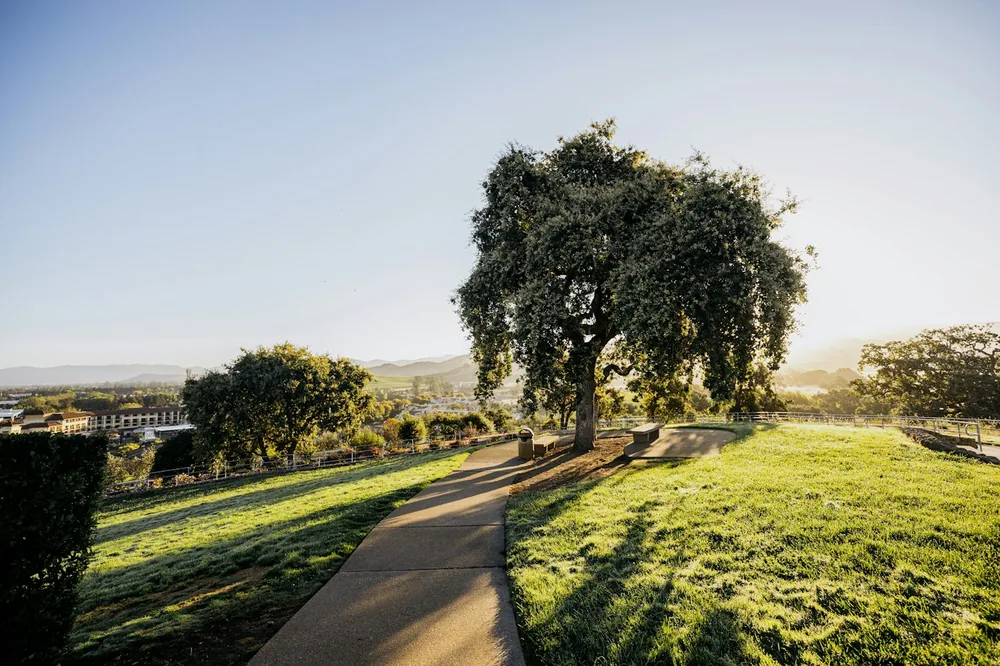
The late 1970’s and 1980’s would see wine production increase exponentially in the state. Producers and growers would seek a larger customer base, utilize sophisticated marketing strategies, and produce grapes using the most sophisticated technologies.
And the rest is history… Happy Wining All!
The eras behind the modern industry
California wine history divides into a handful of distinct periods, each ended by an outside shock rather than by a change in taste. Mission plantings gave way to a commercial industry during the Gold Rush, that industry was flattened by vine disease and then by national prohibition, and the recovery that followed took most of the twentieth century. Understanding those breaks explains why so little from before 1920 survived.
| Period | Driving force | What ended it |
|---|---|---|
| Mission era | Wine for sacramental and household use | Secularization of the missions |
| Gold Rush expansion | Sudden population and demand | Overplanting and vine disease |
| Prohibition | Federal ban on sale and transport | Repeal in 1933 |
| Bulk wine decades | Volume production and sweet wine | Shift in consumer taste |
| Modern era | Varietal wine and defined regions | Ongoing |
The pattern is one of repeated restarts rather than steady growth. Each recovery rebuilt on land that had already proven itself, which is why the same valleys keep reappearing across two centuries.
Phylloxera, the disaster before prohibition
Before prohibition emptied the cellars, a root louse emptied the vineyards. Phylloxera, native to the eastern United States, feeds on grapevine roots and kills European vine varieties outright, and it spread through California vineyards in the late nineteenth century as it was devastating Europe.
The solution was grafting: growing European varieties on the roots of American species that tolerate the insect. Nearly every vine planted in California today sits on such a rootstock, and choosing the right one for a site is now a routine part of vineyard planning. A second wave of vine damage in the 1980s, caused by a rootstock that proved less resistant than expected, forced widespread replanting all over again.
What prohibition actually did to the vineyards
The 1919 amendment did not end grape growing, and in some places it increased it. Home winemaking for family use remained legal within limits, and demand for grapes that could survive a rail journey east rose sharply, so growers replanted toward thick-skinned varieties that shipped well rather than the ones that made the best wine.
Sacramental and medicinal production continued under license, keeping a handful of wineries alive through the period. What did not survive were the trade skills, the market for dry table wine, and most of the commercial infrastructure, which is why the industry that reemerged after 1933 sold mostly sweet and fortified wine for decades.
The turn toward place
The modern shape of California wine came from two changes that arrived together in the 1970s and 1980s. One was technical, as university research and better equipment gave winemakers control over fermentation temperature, sanitation and oak use. The other was geographic, as growers began matching varieties to climates instead of planting whatever the market wanted everywhere.
A widely publicized comparative tasting held in Paris in 1976 drew international attention to Napa Valley and helped open export markets. Formal American Viticultural Areas followed shortly after, giving legal boundaries to the growing regions that had until then been informal. Our overview of California’s wine regions lays out how those boundaries divide the state today.
Those two regions with the deepest documented history are covered in detail in our Napa Valley region guide and the companion Sonoma County region guide. Both trace how nineteenth-century plantings map onto the appellations in use now.
Seeing the history in person
A surprising amount of this past is still standing and open to visitors. Several of the mission sites where the first sustained vineyards were planted are preserved as historic parks, and the state’s park system maintains many of the Gold Rush era towns that created the first real market for California wine. The California State Parks system is the practical starting point for finding them.
Old stone cellars, ghost wineries abandoned during prohibition and hand-dug caves survive across the coastal counties as well. Many are still in use, and a fair number are visible from public roads even where the property itself is private.
Why the industry concentrated where it did
California’s dominance in American wine is less about soil than about reliable weather. A long dry growing season with cool nights lets growers pick when the fruit is ready rather than when rain forces their hand, and that predictability is rare at this latitude. Fog drawn inland from the cold Pacific keeps coastal valleys far cooler than their latitude suggests.
Water access shaped the map as much as climate did. Rivers, wells and later irrigation districts determined which valleys could support permanent plantings, and the earliest commercial vineyards clustered where water and transportation met. The pattern set in the nineteenth century still describes where most of the state’s fruit grows.
California wine history FAQ
What happened to the Mission grape?
It was gradually displaced by European varieties that made better table wine, and by the twentieth century it had nearly disappeared from commercial plantings. Small quantities survive, and interest in old-vine plantings has kept a few blocks in production.
Why did the industry take so long to recover after repeal?
Fourteen years without a legal market destroyed the skills, the distribution network and the customer base at once. Vineyards had also been replanted toward shipping varieties, so the fruit available in 1933 was not the fruit needed for quality table wine.
How old are the oldest producing vineyards?
A number of blocks planted in the late nineteenth century are still farmed, mostly in areas that escaped both phylloxera waves. They tend to be head-trained, dry-farmed and low-yielding, as our guide to California grapes and styles describes.