Everybody loves a bargain. That anonymous $7 bottle of Merlot provides equal parts pride and satisfaction if we enjoy it. But do we feel the same about food and reach for the cheapest price that we can find without knowing anything about where it was grown and how? Probably not, because an increasing number of people prefer organically farmed fruits and vegetables. We question the nutritional value of that cheap leaf of spinach and whether we’re getting a residue of agricultural chemicals that were surely used to grow it.
But the argument is about not just nutrition and health but also taste and freshness and regaining an appreciation of what food can be at its best. Restaurants have caught on to the concept, too. Not just high-end menus name farms and growing practices, but even inexpensive ones are beginning to provide that information.
If you want to know why you should consider the origins of the wine you drink just as you do your food, read “The New California Wine” by Jon Bonné, who is the wine editor of the San Francisco Chronicle. Knowing something about that bottle you just bought does not include the score that might have been on the “shelf talker.” That score gives you a cursory indication of taste and value, but not remotely enough of either.
Bonné’s “New California Wine” is first a history from Prohibition to the present and the trends that drove it. In the 1970s, the Judgment of Paris established California wine as world-class. At the same time, “Brand California” developed, as cheap mass-produced wines were enabled by research at the University of California, Davis. The1980s introduced “Fighting Varietals.” Chardonnay and Cabernet won and obscured other wines, dominating the market.
In the 1990s, the vine louse phylloxera forced attention on viticulture as owners replanted thousands of acres. “Cult wines” were born, especially in Napa, as millions of dollars flooded into the area for replanting. Names like Harlan, Colgin, Bryant Family, Dalla Valle, Araujo, and Screaming Eagle appeared in tiny quantities and sold for record prices, glorified by Robert Parker and other wine critics who stoked demand. The formula that these wines established, best described as dense, ripe, and high in alcohol, and the vineyard practices that underlie them became the model for everyone else, including many Europeans.
Bonné describes the recipe for “Big Flavor” in both cheap California wines and expensive ones alike and the winemaking manipulations and additives in the cellar and in the vineyard. The result of these practices was a pervasive sameness that characterized California wine, no matter whether it came from Napa or Paso Robles, whether cheap or expensive, whether Cabernet or Zinfandel.
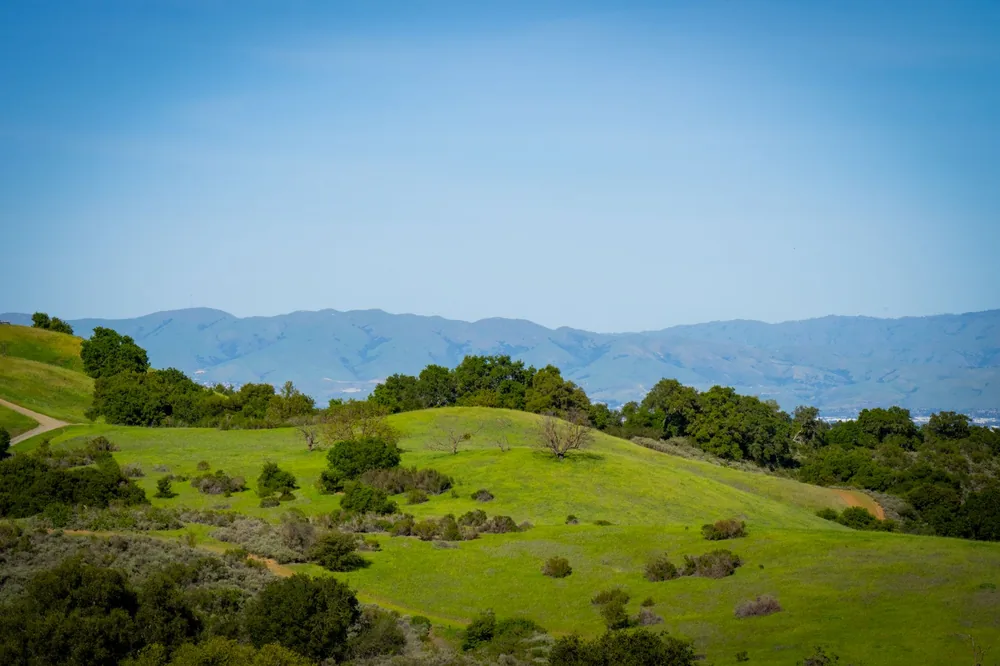
The inevitable back-lash occurred in the last decade among consumers, who rejected California wines for European ones, among notable restaurants that refused to serve them, and among a few winemakers, who had a long history in the business. But especially younger winemakers revolted, and especially those without their own vineyards, who could make reputations by buying fruit from small, old, obscure, pristinely farmed vineyards that imbued their wines with a sense of place, identity, and character, mostly absent from California wines at any price. Others went looking for land, where they could achieve similar results, and still others employed sustainable, organic, or biodynamic farming practices that gave the fruit and wine the best balance and flavor possible.
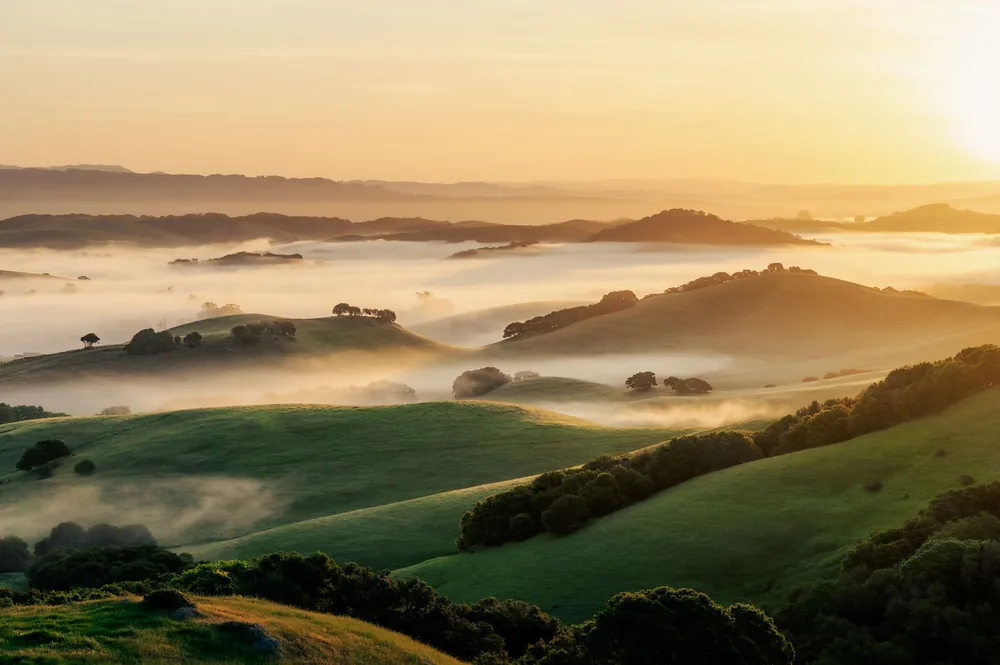
Jon Bonné quotes veterans Robert Mondavi and Warren Winiarski of Stag’s Leap Wine Cellars. He talks with Paul Draper at iconic Ridge Vineyards. And he introduces us to the new guard, like Steve Matthiasson in Napa, whom the San Francisco Chronicle just named “Winemaker of the Year.” Bonné especially singles out Tegan Passalacqua, Nathan Lee Roberts, Duncan Arnot Meyers, Ted Lemon, Abe Schoener among others and talks to them about wine in the post “Big Flavor” era that is evolving.
Bonné writes about certain areas and appellations, where these new wines are flourishing. He talks with leading winemakers in Contra Costa County, Sonoma, Sierra Foothills, Santa Cruz Mountains, Lodi, Anderson Valley, Santa Rita Hills, Paso Robles, and Ventucopa. And he writes about Pinot Noir, Chardonnay, Cabernet, the Rhone varieties, and the new whites, how they might have gone astray and where they are taking a new direction.
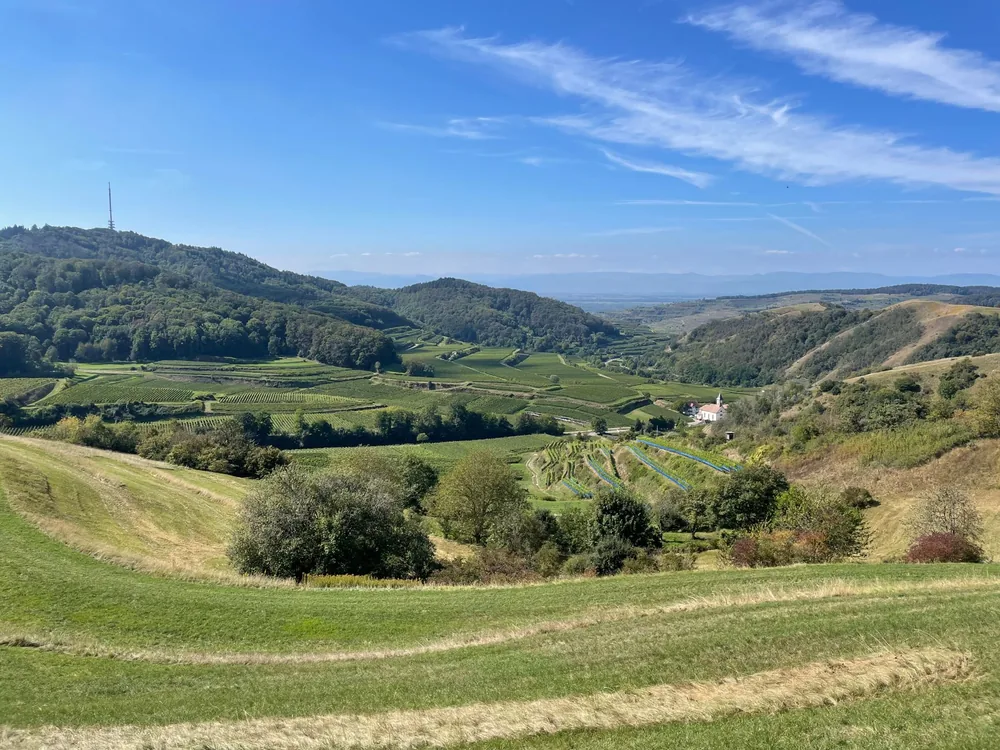
In Bonné’s closing chapter, he compiles a list of vanguard wineries that are leading the way to the potential that California has always promised. Over time, you will have heard some of these themes in these pages, but this is a must-read now for those who want to advance their appreciation of wine to the next level.
What a Farming Claim on a Label Means
The parallel drawn above between choosing food and choosing wine has one practical complication: the vocabulary on a wine label is regulated, and the categories are narrower than most people assume. Organic wine and wine made from organic grapes are separate designations with separate rules, and the difference sits mainly in what may be added during production.
Sustainability claims work differently again. They generally come from third-party programs with published standards rather than from a federal definition, so the meaning depends on which program did the certifying.
| Claim | What it addresses | Who defines it |
|---|---|---|
| Organic wine | Both the fruit and the cellar additions | Federal organic regulation |
| Made with organic grapes | The farming only, with cellar limits | Federal organic regulation |
| Biodynamic | Whole-farm practice and certification standard | A private certifying body |
| Sustainably farmed | Water, energy, soil, and labor practices | Regional or trade programs |
| No claim | Nothing stated either way | Not applicable |
The National Organic Program publishes the standards and labeling categories that govern the first two rows, including which processing materials are permitted. Reading that framework once makes a wine label considerably less cryptic.
Certification also says nothing about the style of the wine itself. A certified vineyard can supply fruit for a heavily worked bottling, and an uncertified grower may farm more scrupulously than a certified neighbor who simply completed the paperwork. The claim documents a practice, not an outcome in the glass.
Reading a Region Instead of a Score
The argument in the book described above is essentially an argument for provenance over rating. A number compresses a wine into a single dimension; an appellation, an elevation, and a vine age tell you what kind of wine to expect before the cork comes out. Neither replaces tasting, but only one of them explains anything.
That is also why the places named in this discussion keep recurring. Cooler coastal zones, high-elevation benches, and old own-rooted plantings each impose their own limits on ripeness, and those limits are precisely what the winemakers in question were seeking out. Our guide to California wine regions lays out those contrasts region by region, with detail on the Paso Robles growing area and the Sierra Foothills.
FAQ: The Shift in California Winemaking
Does lower alcohol automatically mean a better wine?
No. Alcohol is one component among acid, tannin, and fruit concentration, and balance is a relationship among all of them. A thin wine at twelve percent is no more successful than a heavy one at sixteen.
Why do winemakers without vineyards matter to this story?
Contracting for fruit gave them mobility. A producer without land could take grapes from an old, obscure, well-farmed site in a region nobody was watching, which is a far cheaper way to change direction than replanting an estate.
Where does the grape variety fit in?
Variety sets the outer boundaries and site decides the rest, which is why the same grape reads so differently across the state. The California grapes and styles guide works through those variety-by-variety differences.